Irresistible Crispy Duck Confit with Orange Reduction
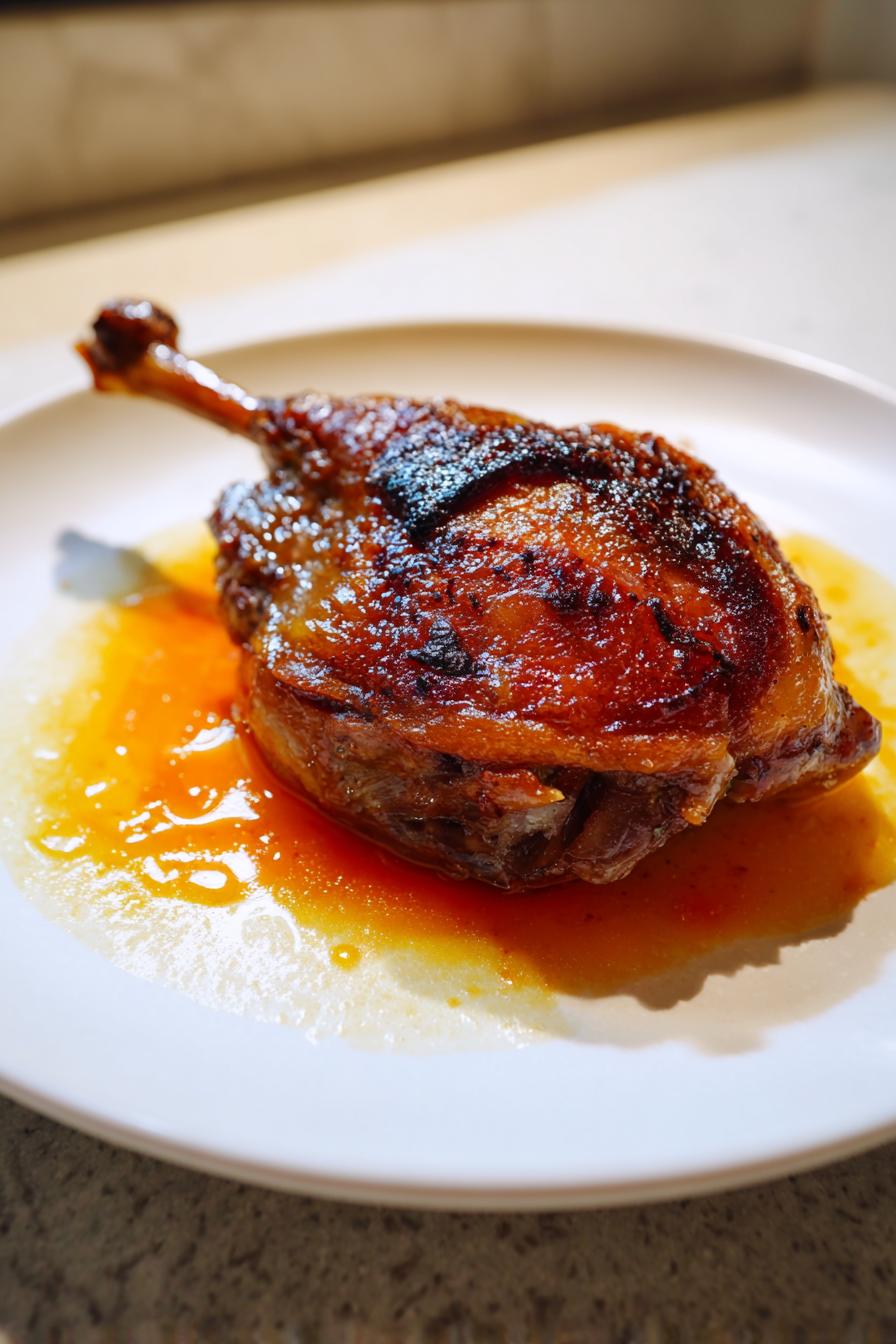
There’s something magical about that first bite of perfectly crispy duck confit – the way the golden skin shatters between your teeth to reveal melt-in-your-mouth tender meat underneath. I fell in love with this classic French dish during my first trip to Paris years ago, and I’ve spent the last decade perfecting my home version. The secret? Cooking duck legs low and slow in their own luxurious fat until they’re unbelievably tender, then finishing them with a quick sear for that addictive crunch.
What takes this dish from great to unforgettable is the bright orange reduction – that tangy-sweet sauce cutting through the rich duck fat. My version balances the orange’s acidity with just enough sugar to round it out without being cloying. Trust me, once you master this combination of crispy, fatty, and citrusy flavors, you’ll understand why French bistro chefs have been making this for centuries. It’s become my go-to showstopper for dinner parties, and after you try it, I bet it’ll be yours too.
Crispy Duck Confit with Orange Reduction Ingredients
Gathering the right ingredients makes all the difference between good duck confit and knock-your-socks-off duck confit. Here’s exactly what you’ll need – and yes, that duck fat quantity isn’t a typo! I buy mine from a local butcher, but you can find it at specialty grocery stores too.
- 4 duck legs (thighs attached, about 12 oz each) – look for plump ones with good fat coverage
- 4 cups duck fat, melted (rendered, not solid) – this seems like a lot but trust the process!
- 1 tbsp coarse sea salt – I prefer this over table salt for better texture
- 1 tsp freshly cracked black pepper – freshly ground makes a noticeable difference
- 2 cloves garlic, crushed (not minced) – just give them a good whack with your knife
- 2 sprigs fresh thyme – dried works in a pinch but fresh is ideal
- 1 bay leaf – the aromatic backbone of our flavor profile
For that gorgeous orange reduction that’ll make your taste buds sing:
- 2 large oranges, juiced (about 1/2 cup) – roll them firmly on the counter first to maximize juice
- 1 tbsp granulated sugar – adjust to your sweetness preference
- 1 tbsp good quality white wine vinegar – adds that necessary acidic punch
A quick note about the duck fat – I know it seems extravagant, but you can strain and reuse it indefinitely for future confit adventures or roasted potatoes. Consider it an investment in deliciousness!
Essential Equipment for Crispy Duck Confit with Orange Reduction
Now, let’s talk tools! You don’t need anything fancy, but having the right equipment makes this process so much smoother. I learned this the hard way when I tried using a too-shallow baking dish the first time – duck fat everywhere! Here’s what you’ll want to have ready:
- Deep baking dish (about 9×13 inches) – This is non-negotiable. You need something deep enough to fully submerge those duck legs in fat without overflow. I use my trusty ceramic casserole dish that’s about 3 inches deep.
- Heavy-bottomed saucepan – For melting all that glorious duck fat gently without scorching. A stainless steel one works perfectly.
- Tongs – Your best friend for safely transferring the duck legs in and out of hot fat. I prefer the silicone-tipped ones for extra grip.
- Fine mesh strainer – Essential for straining and saving your precious duck fat for future use. Don’t skip this – those little burnt bits will make your fat go rancid faster.
- Cast iron skillet – For achieving that perfect golden crisp on the duck skin at the end. Nothing gives better browning than cast iron!
- Small saucepan – For simmering your orange reduction to glossy perfection. A light-colored one lets you monitor the color change easily.
Pro tip from my many duck confit adventures: If you don’t have a deep enough baking dish, you can use individual ramekins for each duck leg. Just make sure they’re oven-safe and have enough headspace. And whatever you do, don’t try to substitute aluminum foil pans – they buckle under the weight of all that fat (yes, I speak from messy experience!).
How to Make Crispy Duck Confit with Orange Reduction
Alright, let’s dive into the magic! I’ll walk you through each step carefully, just like my French cooking instructor showed me all those years ago. Don’t let the multiple steps intimidate you – most of the work is hands-off while the duck slowly transforms into something extraordinary.
Preparing and Cooking the Duck Confit
First, pat those duck legs dry with paper towels – this helps the seasoning stick and promotes better browning. Rub them all over with the salt and pepper, really working it into the skin and meat. I like to do this about an hour before cooking to let the flavors penetrate, but if you’re in a rush, even 15 minutes will help.
Now, arrange the duck legs in your deep baking dish in a single layer – they can be cozy but shouldn’t overlap. Tuck the crushed garlic cloves, thyme sprigs, and bay leaf around them. This is when your kitchen starts smelling amazing!
Here comes the luxurious part: slowly pour the melted duck fat over the legs until they’re completely submerged. And I mean completely – no duck skin peeking out! If they float a bit, weigh them down with a small oven-safe plate. This fat bath is what makes confit so tender and flavorful.
Slide the dish into your preheated 300°F (150°C) oven and let the magic happen for about 2.5 hours. You’ll know it’s ready when the meat pulls away from the bone easily but isn’t falling apart. The aroma will have you practically drooling by now!
Making the Orange Reduction
While the duck works its magic, let’s make that showstopping sauce. Squeeze your oranges – I roll them firmly on the counter first to maximize juice – until you get about 1/2 cup. Pour it into your small saucepan along with the sugar and vinegar.
Bring it to a gentle simmer over medium heat, then reduce to low. Now comes the patience part – let it bubble away until it reduces by about half and coats the back of a spoon. This usually takes 15-20 minutes. Stir occasionally to prevent sticking, and taste as you go – you might want to add a pinch more sugar if it’s too tart.
Watch the color transform from bright orange to a deeper, almost caramel hue. When it’s ready, take it off the heat – it’ll continue thickening as it cools. Trust me, this sauce is worth every minute of simmering!
Crisping and Serving the Duck Confit
Here’s where we get that irresistible crunch! Carefully remove the duck legs from the fat (save that liquid gold!) and place them skin-side down in your screaming-hot cast iron skillet. No extra oil needed – there’s plenty of fat in that skin.
Let them sizzle for 2-3 minutes until the skin turns golden brown and crispy. Use your tongs to peek underneath – when it’s perfectly crisp, flip and sear the other side just for a minute to warm through.
Now, the grand finale: plate those gorgeous duck legs with a generous drizzle of orange reduction. I like to serve them with the sauce on the side too, because some folks (myself included) can never get enough of that tangy-sweet goodness. A sprinkle of flaky sea salt and fresh thyme leaves makes it picture-perfect.
Pro tip: Let the duck rest for about 5 minutes after crisping – this helps redistribute those incredible juices. Then dig in and prepare for your taste buds to do a happy dance!
Pro Tips for Perfect Crispy Duck Confit with Orange Reduction
After making this dish more times than I can count (and yes, burning a batch or two along the way), I’ve picked up some game-changing tricks that’ll take your duck confit from good to “Oh my god, did you really make this?” levels of amazing.
The sugar seesaw: That orange reduction can go from perfectly balanced to cloyingly sweet in seconds. I always start with half the sugar, then taste and add more teaspoon by teaspoon until it sings. Remember – you can always add, but you can’t take away! If you do go overboard, a splash of vinegar or lemon juice will bring it back.
Fat is your friend: Don’t even think about skimping on that duck fat! I learned the hard way that partially submerged legs end up dry on top. If you’re running low, melt a little extra butter or olive oil to top it off. Your future self will thank you when every bite is juicy.
The strain game: After cooking, strain that precious duck fat through cheesecloth or a fine mesh sieve into a jar while it’s still liquid. I keep mine in the fridge labeled with the date – it’s gold for roasting potatoes or frying eggs. Just remove any browned bits and it’ll last months!
The crispy secret: Want next-level crackling skin? After the initial crisping, pop the duck legs under the broiler for just 30-60 seconds. Watch them like a hawk though – they go from golden to blackened faster than you can say “Oh no!”
The resting rule: I know it’s tempting to dig right in, but letting your duck legs rest for 5 minutes after crisping makes all the difference. Those juices redistribute so every bite stays succulent. Use the time to warm your plates – cold plates are the enemy of crispy skin!
One last thing – don’t stress if your first attempt isn’t perfect. Even my early batches weren’t restaurant-worthy. Like any great French technique, duck confit rewards patience and practice. Just keep cooking, keep tasting, and most importantly, keep enjoying the delicious journey!
Ingredient Substitutions for Crispy Duck Confit with Orange Reduction
Okay, let’s be real – sometimes you’re dying to make this dish but don’t have every single ingredient. No worries! I’ve tested plenty of substitutions over the years, and while nothing beats the original, these swaps still deliver delicious results. Here’s how to adapt when your pantry isn’t cooperating:
When duck fat feels too fancy
I get it – four cups of duck fat isn’t exactly pantry staple material. In a pinch, you can use equal parts chicken fat (schmaltz) or even a blend of olive oil and butter (about 3 cups oil to 1 cup melted butter). The flavor won’t be quite as rich, but it’ll still give you that luxurious confit texture. Just avoid vegetable oils with strong flavors – save that canola for salad dressings!
Sweetener switcheroo
Out of white sugar for the reduction? Honey or maple syrup work beautifully, though they’ll add their own distinct flavors. Start with 2 teaspoons instead of 1 tablespoon since they’re sweeter. My favorite unexpected substitute? Orange marmalade – about 1 tablespoon thinned with extra vinegar gives amazing depth.
Orange juice alternatives
No fresh oranges? Blood orange juice makes a stunning (and slightly more sophisticated) version. In absolute emergencies, 3 parts bottled orange juice to 1 part lemon juice approximates the right balance. Avoid concentrate though – it’s too sweet and lacks brightness.
Herb hacks
No fresh thyme? 1/2 teaspoon dried thyme works, or try rosemary for a bolder twist. Out of bay leaves? Skip it rather than using the powdered stuff – it turns bitter fast. My secret? A pinch of herbes de Provence adds lovely complexity when I’m feeling fancy.
Remember – substitutions change the character of the dish, but that’s not always bad! Some of my favorite variations came from improvising. Just taste as you go and trust your instincts. After all, even French grandmas had to adapt sometimes!
Serving Suggestions for Crispy Duck Confit with Orange Reduction
Now that you’ve got this masterpiece of crispy duck and glossy orange sauce ready, let’s talk about how to make it a complete meal! I’ve served this dish more ways than I can count – from fancy dinner parties to cozy weeknight meals – and these are my absolute favorite pairings that’ll have everyone asking for seconds.
Classic French bistro style: You can’t go wrong with crispy roasted potatoes cooked in – you guessed it – some of that leftover duck fat! The golden, crunchy exterior and fluffy interior are the perfect contrast to the rich duck. Add a simple green salad with a sharp vinaigrette to cut through the fattiness, and you’ve got a meal that’ll transport you straight to Paris.
For something a bit heartier: Try serving over creamy polenta or mashed parsnips. The smooth texture soaks up the orange reduction beautifully. My husband goes wild when I add sautéed wild mushrooms to the mix – their earthy flavor plays so nicely with the duck.
When you want to impress: Arrange the duck on a bed of caramelized fennel or roasted root vegetables. The sweetness echoes the orange sauce without overpowering it. A sprinkle of pomegranate seeds adds gorgeous color and a pop of freshness that wows guests every time.
My personal weeknight favorite: Honestly? Sometimes I just pile that crispy duck on a toasted baguette with arugula and extra orange reduction for the world’s fanciest sandwich. No judgment if you eat it standing over the kitchen counter like I do!
Pro tip: However you serve it, make sure to have plenty of crusty bread on hand for mopping up every last drop of that incredible orange sauce. Watching guests lick their plates clean is the ultimate compliment to any cook!
Storing and Reheating Crispy Duck Confit with Orange Reduction
Here’s the beautiful thing about duck confit – it actually gets better after a day or two in the fridge! I always make extra because the leftovers are pure gold. But you’ve got to store them right to keep that perfect texture. Let me walk you through my tried-and-true methods.
Refrigerating like a pro: Once cooled, place the duck legs in an airtight container and completely submerge them in their cooking fat. Yes, really! This creates a protective layer that keeps the meat incredibly moist. They’ll stay perfect for up to 2 weeks this way. The orange reduction can go in a separate jar – it keeps for about a week.
Freezing for future feasts: Duck confit freezes like a dream! I wrap each leg individually in plastic wrap, then seal them in a freezer bag with all the air squeezed out. For extra protection, you can completely submerge them in fat before freezing – they’ll keep for 3 months this way. The sauce freezes well too – just leave some headspace in the container for expansion.
The golden rule of reheating: Never, ever microwave duck confit unless you want rubbery disappointment. My foolproof method? Place the refrigerated duck legs (fat and all) in a cold oven, then heat to 300°F (150°C). It takes about 20 minutes to warm through gently. Then crisp the skin in a hot pan like you did originally – this brings back that magical crunch!
Sauce revival: The orange reduction might thicken in the fridge. Just warm it gently in a saucepan with a splash of water or orange juice until it reaches the right consistency. If it separates, a quick whisk brings it right back together.
Pro tip from my many leftovers experiments: Shred the confit meat and use it in omelets, pasta, or even tacos! That rich duck flavor transforms everyday meals into something special. Just don’t tell my French cooking instructor I said that – some traditions are meant to be deliciously broken!
Crispy Duck Confit with Orange Reduction Nutritional Information
Let’s talk numbers – because as much as we’d all love to pretend this dish is salad-level healthy, we’re dealing with glorious duck fat here! I’ve broken down the nutritional information per serving (that’s one crispy duck leg with about 2 tablespoons of orange reduction) based on my exact ingredients. Remember, these are estimates – your numbers might vary slightly depending on the size of your duck legs or how much reduction you use.
Per Serving:
- Calories: 650 (yes, mostly from that beautiful fat – worth every bite!)
- Total Fat: 52g (32g unsaturated, 16g saturated)
- Protein: 35g (duck is surprisingly protein-packed!)
- Carbohydrates: 10g (mostly from the orange reduction)
- Sugar: 8g (you can reduce this by cutting back sugar in the sauce)
- Sodium: 900mg (mostly from the initial salting – adjust to taste)
A quick disclaimer: I’m a home cook, not a dietitian! These numbers are estimates based on USDA data and the specific brands I use. Your exact counts might differ if you use different oranges, adjust the sugar, or have particularly fatty/thin duck legs.
Now, let’s be honest – no one makes duck confit because it’s low-calorie. You make it because it’s one of life’s most luxurious indulgences! My philosophy? Enjoy every crispy, juicy bite mindfully, savoring the incredible textures and flavors. Balance it out with a big green salad if you’re watching your macros, but don’t you dare feel guilty about this masterpiece. The French certainly don’t!
Frequently Asked Questions About Crispy Duck Confit with Orange Reduction
After sharing this recipe with countless friends and students over the years, I’ve heard every question imaginable about duck confit! Here are the answers to the most common queries that come up – the kind of practical stuff I wish I’d known when I first started making this dish.
Can I reuse the duck fat?
Absolutely – and you should! That liquid gold is packed with flavor. Strain it through a fine mesh sieve or cheesecloth into a clean jar after cooking, let it cool, and store it in the fridge. It’ll keep for months and makes the most incredible roasted potatoes or fried eggs. Just make sure to remove any browned bits first to prevent it from going rancid.
How do I fix a too-bitter orange reduction?
Oh, I’ve been there! If your sauce tastes unpleasantly bitter (usually from over-reducing or using pith-heavy oranges), stir in a teaspoon of honey or maple syrup to balance it. A pinch of salt can also help counteract bitterness. Still too intense? Thin it with a splash of chicken stock or water and simmer again briefly.
Can I make duck confit without so much fat?
Technically yes, but you won’t get the same magical results. The fat is what makes confit… well, confit! That said, if you’re really fat-shy, you can use just enough to mostly cover the duck (about 3 cups) and baste occasionally during cooking. Just know the texture won’t be quite as luxuriously tender.
Why isn’t my duck skin getting crispy?
Two likely culprits: either your pan wasn’t hot enough (wait until it’s properly smoking), or your duck legs were still too cold from the fat when you tried to crisp them. Let them sit at room temp for 10 minutes after removing from the fat, and make sure to pat the skin bone-dry before searing. Still struggling? A quick 30-second broil after pan-searing usually does the trick.
Can I use this method with other meats?
You bet! Chicken thighs work beautifully with the same technique (though use chicken fat or olive oil instead of duck fat). I’ve even done amazing pork belly confit this way. The cooking times may vary slightly depending on the meat’s thickness, but the principle remains the same – low, slow, and fully submerged in fat for maximum tenderness.
Irresistible Crispy Duck Confit with Orange Reduction

A classic French dish featuring tender duck legs cooked in their own fat, served with a tangy orange reduction.
- Prep Time: 15 minutes
- Cook Time: 3 hours
- Total Time: 3 hours 15 minutes
- Yield: 4 servings 1x
- Category: Main Course
- Method: Braising
- Cuisine: French
- Diet: Low Carb
Ingredients
- 4 duck legs
- 4 cups duck fat
- 1 tbsp salt
- 1 tsp black pepper
- 2 cloves garlic, crushed
- 2 sprigs fresh thyme
- 1 bay leaf
- 2 oranges, juiced
- 1 tbsp sugar
- 1 tbsp white wine vinegar
Instructions
- Season duck legs with salt and pepper.
- Place duck legs in a baking dish with garlic, thyme, and bay leaf.
- Melt duck fat and pour over the duck until fully submerged.
- Bake at 300°F (150°C) for 2.5 hours until tender.
- Remove duck legs and crisp skin in a hot pan.
- Simmer orange juice, sugar, and vinegar in a saucepan until thickened.
- Serve duck with orange reduction.
Notes
- Use a deep baking dish to fully submerge duck legs.
- Store leftover duck fat for future cooking.
- Adjust sugar in the reduction to taste.
Nutrition
- Serving Size: 1 duck leg with sauce
- Calories: 650
- Sugar: 8g
- Sodium: 900mg
- Fat: 52g
- Saturated Fat: 16g
- Unsaturated Fat: 32g
- Trans Fat: 0g
- Carbohydrates: 10g
- Fiber: 1g
- Protein: 35g
- Cholesterol: 160mg