Cultured Cashew Cream Cheese: Elevate Your Vegan Recipes!
Introduction to Cultured Cashew Cream Cheese
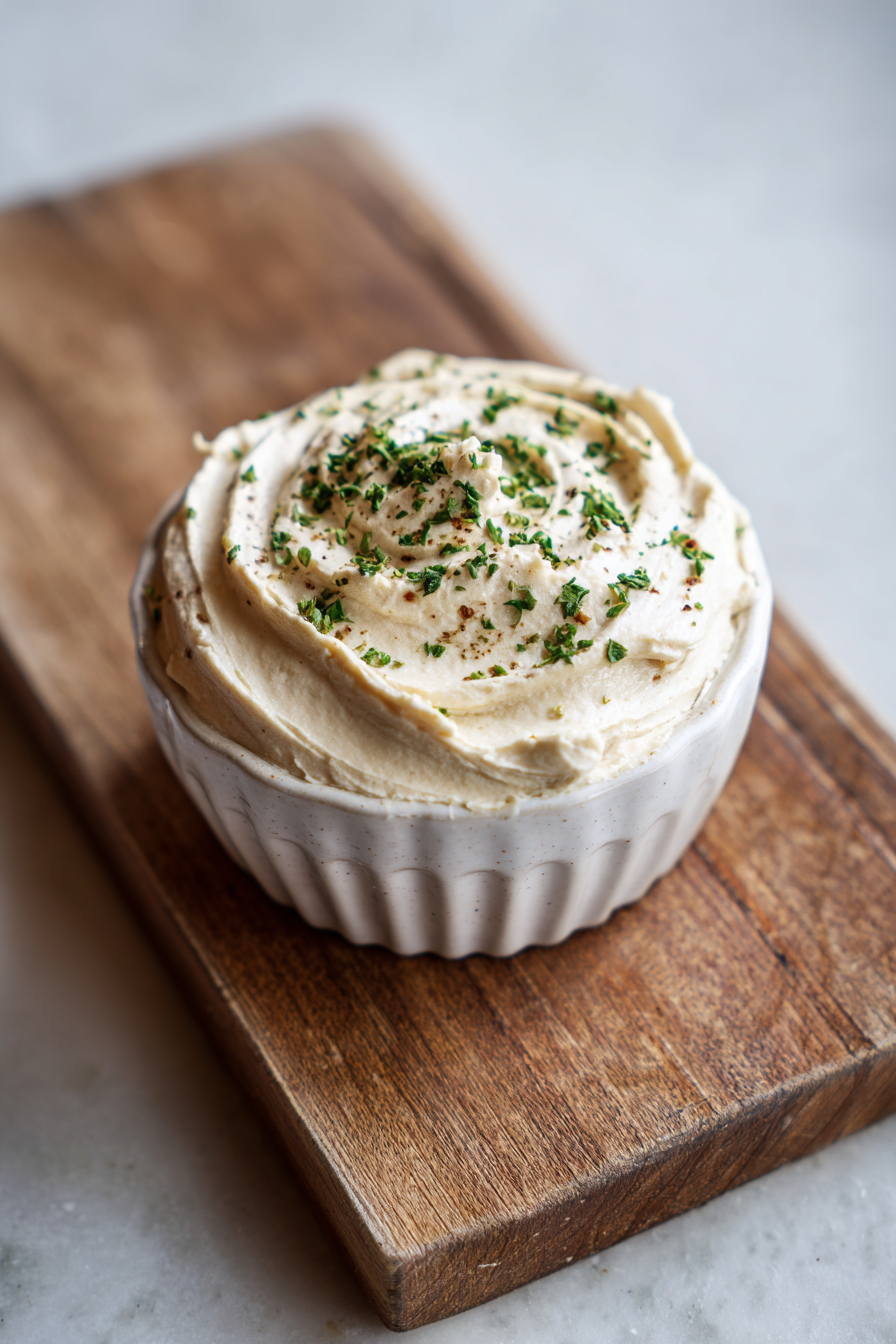
Welcome to the world of creamy delights! If you’re looking for a deliciously tangy and versatile spread, let me introduce you to Cultured Cashew Cream Cheese. This vegan alternative is not just a treat for your taste buds; it’s a quick solution for busy days when you want something special without the fuss. Imagine slathering this creamy goodness on a bagel or using it as a dip for fresh veggies. It’s perfect for impressing your loved ones or simply enjoying a guilt-free snack. Trust me, once you try it, you’ll wonder how you ever lived without it!
Why You’ll Love This Cultured Cashew Cream Cheese
This Cultured Cashew Cream Cheese is a game-changer in the kitchen! It’s incredibly easy to whip up, making it perfect for busy moms and professionals like us. The creamy texture and tangy flavor will elevate any dish, from breakfast to snacks. Plus, it’s dairy-free, so you can enjoy it without any guilt. You’ll love how it transforms simple meals into something extraordinary!
Ingredients for Cultured Cashew Cream Cheese
Gathering the right ingredients is the first step to creating your Cultured Cashew Cream Cheese. Here’s what you’ll need:
- Raw cashews: These are the star of the show! Soaking them softens their texture, making them perfect for blending into a creamy spread.
- Water: This helps achieve the desired consistency. You can adjust the amount based on how thick or thin you want your cream cheese.
- Nutritional yeast: This adds a cheesy flavor without any dairy. It’s packed with vitamins and gives your cream cheese that umami kick.
- Lemon juice: A splash of acidity brightens the flavor and balances the creaminess. Fresh lemon juice is best, but bottled works too!
- Apple cider vinegar: This ingredient enhances the tangy profile, making your cream cheese taste more authentic.
- Salt: A pinch of salt elevates all the flavors. You can adjust it to your taste preference.
- Garlic powder (optional): If you love a hint of garlic, this is a great addition. It adds depth and richness to the flavor.
- Onion powder (optional): Similar to garlic powder, this gives a savory note that complements the cream cheese beautifully.
For exact measurements, check the bottom of the article where you can find everything listed for easy printing. Feel free to experiment with different herbs and spices to make this spread your own!
How to Make Cultured Cashew Cream Cheese
Now that you have your ingredients ready, let’s dive into the steps to create your own Cultured Cashew Cream Cheese. This process is simple and rewarding, and I promise you’ll feel like a culinary rockstar when you’re done!
Step 1: Prepare the Cashews
First things first, we need to prepare our cashews. Soak 1 cup of raw cashews in water for 4-6 hours. This soaking process is crucial. It softens the nuts, making them easier to blend into that dreamy, creamy texture we’re after. Plus, it helps enhance the flavor, giving your cream cheese that rich taste. If you’re short on time, a quick soak in hot water for 1 hour works too!
Step 2: Blend the Ingredients
Once your cashews are soaked and drained, it’s time to blend! In a high-speed blender, combine the soaked cashews, 1/4 cup of water, 2 tablespoons of nutritional yeast, 1 tablespoon of lemon juice, 1 teaspoon of apple cider vinegar, and 1/2 teaspoon of salt. If you’re feeling adventurous, toss in the optional garlic and onion powder. Blend until the mixture is smooth and creamy. Don’t forget to scrape down the sides to ensure everything is well combined. You want a luscious consistency that’s perfect for spreading!
Step 3: Taste and Adjust
Here comes the fun part—tasting! Give your mixture a little taste and see if it needs any adjustments. Maybe a pinch more salt or a splash of lemon juice? This is your chance to make it just right for your palate. Remember, the flavors will develop further during the culturing process, so don’t be afraid to experiment a bit!
Step 4: Culturing the Cream Cheese
Now, let’s get our cream cheese cultured! Transfer the blended mixture to a bowl and cover it with a clean cloth. Let it sit at room temperature for 12-24 hours. This step is essential for developing that tangy flavor we love in cream cheese. The longer you let it sit, the more pronounced the flavor will be. Just keep an eye on it; if you notice any unusual smells, it’s best to err on the side of caution.
Step 5: Refrigerate and Serve
After the culturing time is up, it’s time to chill! Transfer your cultured cashew cream cheese to an airtight container and refrigerate it for at least 2 hours. Chilling helps firm up the texture, making it perfect for spreading. Once it’s ready, serve it up with your favorite bagels, crackers, or veggies. Enjoy the creamy goodness!
Tips for Success
- Soak cashews long enough for a creamy texture; 4-6 hours is ideal.
- Use a high-speed blender for the smoothest results.
- Adjust the water for your desired thickness; less water equals a thicker cream cheese.
- Experiment with herbs like dill or chives for unique flavors.
- Store in an airtight container to keep it fresh for up to a week.
Equipment Needed
- High-speed blender: Essential for achieving that creamy texture. A regular blender can work, but it may take longer.
- Bowl: For culturing your cream cheese. Any mixing bowl will do!
- Clean cloth: To cover the bowl while it cultures. A kitchen towel works perfectly.
- Airtight container: For storing your finished cream cheese. A glass jar is a great option.
Variations of Cultured Cashew Cream Cheese
- Herbed Cream Cheese: Add fresh herbs like basil, dill, or chives for a burst of flavor. These herbs can elevate your spread to a whole new level!
- Spicy Kick: Mix in some crushed red pepper flakes or a dash of hot sauce for a spicy version. Perfect for those who love a little heat!
- Smoky Flavor: Incorporate smoked paprika or liquid smoke for a deliciously smoky twist. This variation pairs wonderfully with crackers or sandwiches.
- Sweet Cream Cheese: For a dessert option, blend in a bit of maple syrup or agave nectar along with cinnamon. It’s delightful on toast or pancakes!
- Nutty Addition: Stir in some finely chopped nuts like walnuts or pecans for added texture and flavor. This gives your cream cheese a delightful crunch!
Serving Suggestions for Cultured Cashew Cream Cheese
- Spread it on whole-grain bagels or toast for a hearty breakfast.
- Serve with fresh vegetable sticks like carrots, cucumbers, and bell peppers for a healthy snack.
- Pair it with your favorite crackers for a delightful appetizer.
- Use it as a creamy dip for chips at your next gathering.
- Top off a salad with a dollop for added creaminess and flavor.
FAQs about Cultured Cashew Cream Cheese
As you embark on your journey to make Cultured Cashew Cream Cheese, you might have a few questions. Here are some common queries I’ve encountered, along with helpful answers!
Can I use roasted cashews instead of raw?
While raw cashews are best for that creamy texture, you can use roasted ones. Just keep in mind that the flavor will be slightly different, and the cream cheese may not be as smooth.
How long does the cultured cream cheese last in the fridge?
Your dairy-free spread can last up to a week in an airtight container. Just make sure to check for any off smells before using it!
Can I freeze Cultured Cashew Cream Cheese?
Yes, you can freeze it! Just scoop it into an airtight container, leaving some space for expansion. Thaw it in the fridge before using, but note that the texture may change slightly.
What can I use instead of nutritional yeast?
If you don’t have nutritional yeast, you can try using a bit of vegan cheese or omit it altogether. Just remember, it adds that cheesy flavor we all love!
Is this recipe suitable for kids?
Absolutely! This vegan cream cheese is a great option for kids. It’s healthy, delicious, and can be paired with various snacks they’ll enjoy!
Final Thoughts
Creating your own Cultured Cashew Cream Cheese is not just about making a delicious spread; it’s about embracing a healthier lifestyle and enjoying the process. The joy of blending simple ingredients into something creamy and flavorful is truly rewarding. Whether you’re spreading it on a bagel for breakfast or using it as a dip for a gathering, this vegan delight will surely impress. Plus, knowing you made it from scratch adds a special touch. So, roll up your sleeves, get blending, and savor the satisfaction of your culinary creation!
PrintCultured Cashew Cream Cheese: Elevate Your Vegan Recipes!
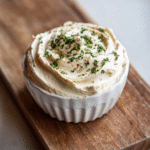
A creamy and tangy vegan alternative to traditional cream cheese made from cultured cashews.
- Prep Time: 10 minutes
- Cook Time: 0 minutes
- Total Time: 12-24 hours (including culturing time)
- Yield: 1 cup 1x
- Category: Spread
- Method: Blending and Culturing
- Cuisine: Vegan
- Diet: Vegan
Ingredients
- 1 cup raw cashews, soaked for 4–6 hours
- 1/4 cup water
- 2 tablespoons nutritional yeast
- 1 tablespoon lemon juice
- 1 teaspoon apple cider vinegar
- 1/2 teaspoon salt
- 1/4 teaspoon garlic powder (optional)
- 1/4 teaspoon onion powder (optional)
Instructions
- Drain and rinse the soaked cashews.
- In a blender, combine the cashews, water, nutritional yeast, lemon juice, apple cider vinegar, salt, and optional garlic and onion powder.
- Blend until smooth and creamy, scraping down the sides as needed.
- Taste and adjust seasoning if necessary.
- Transfer the mixture to a bowl and cover it with a cloth.
- Let it sit at room temperature for 12-24 hours to culture.
- Once cultured, refrigerate for at least 2 hours before serving.
Notes
- For a thicker consistency, reduce the amount of water.
- Experiment with different herbs and spices for flavor variations.
- Store in an airtight container in the refrigerator for up to one week.
Nutrition
- Serving Size: 2 tablespoons
- Calories: 70
- Sugar: 0g
- Sodium: 120mg
- Fat: 6g
- Saturated Fat: 1g
- Unsaturated Fat: 5g
- Trans Fat: 0g
- Carbohydrates: 4g
- Fiber: 1g
- Protein: 2g
- Cholesterol: 0mg