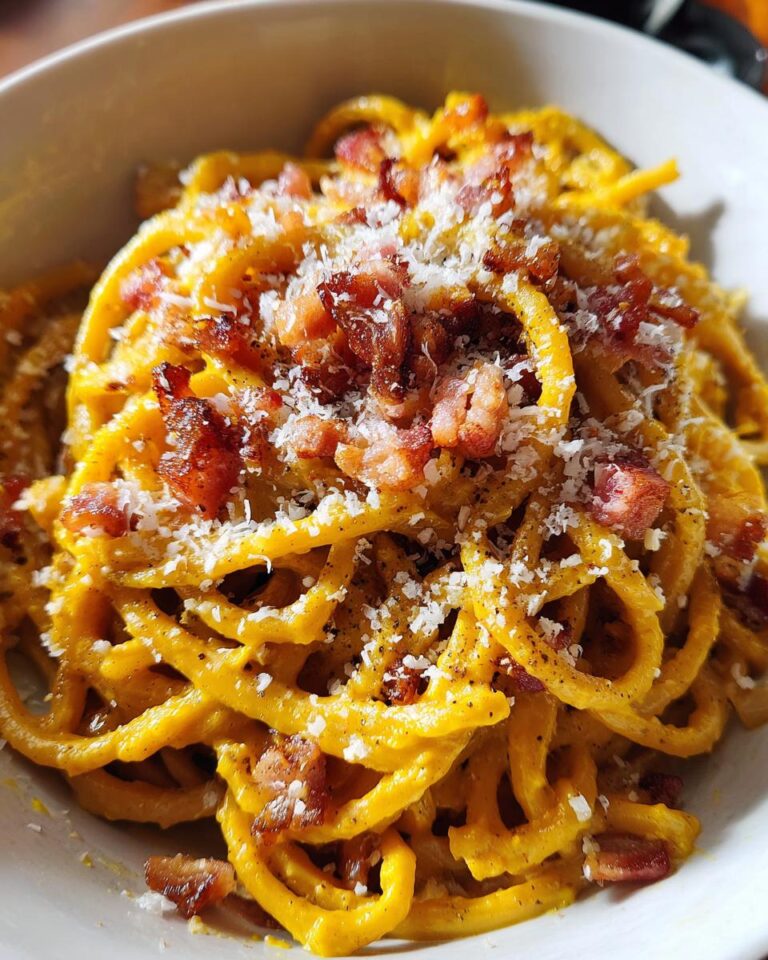
Diabetic friendly pasta alternatives you need to try today!
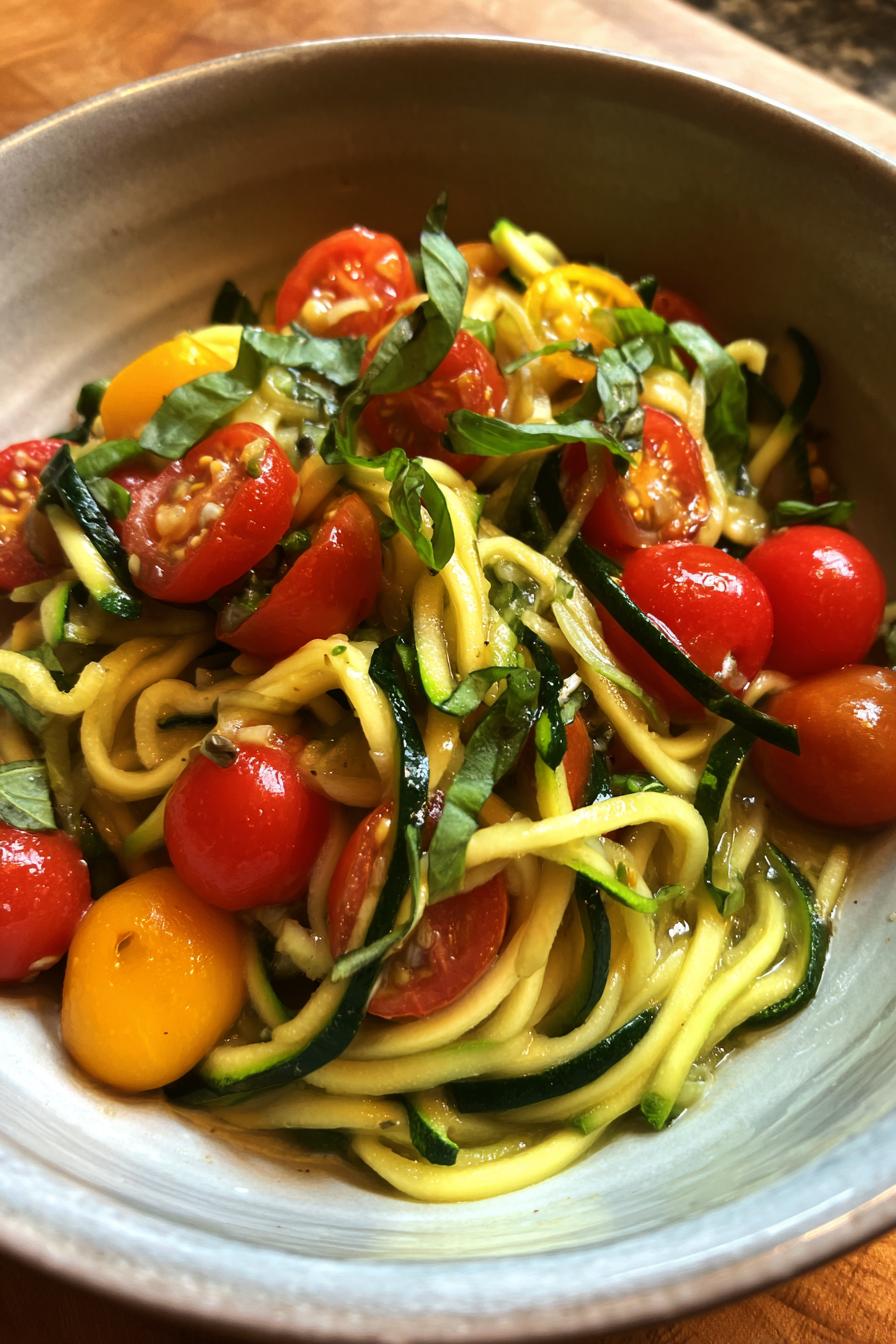
Introduction to Diabetic Friendly Pasta Alternatives
As a busy mom, I know how challenging it can be to whip up a meal that’s both delicious and healthy. That’s where diabetic friendly pasta alternatives come into play! These options not only satisfy your cravings but also help you manage your blood sugar levels. Whether you’re looking for a quick solution for a hectic weeknight dinner or a dish to impress your loved ones, these pasta alternatives are here to save the day. Trust me, you won’t miss traditional pasta when you discover these tasty, low-carb options!
Why You’ll Love This Diabetic Friendly Pasta Alternatives
These diabetic friendly pasta alternatives are a game changer for anyone juggling a busy lifestyle. They’re quick to prepare, taking just 25 minutes from start to finish. Plus, they’re packed with flavor, making them a hit with the whole family. You can enjoy a satisfying meal without the guilt of high carbs. Trust me, once you try these, you’ll wonder why you didn’t switch sooner!
Ingredients for Diabetic Friendly Pasta Alternatives
Let’s dive into the ingredients that make these diabetic friendly pasta alternatives not only healthy but also delicious! Here’s what you’ll need:
- Shirataki noodles: These magical noodles are made from konjac yam and are incredibly low in calories and carbs. They’re perfect for a guilt-free pasta experience!
- Spaghetti squash: When cooked, this squash transforms into spaghetti-like strands. It’s a fantastic way to add fiber and nutrients to your meal.
- Zucchini noodles: Also known as zoodles, these are a fresh and crunchy alternative. They’re easy to make with a spiralizer and add a lovely green touch to your plate.
- Cauliflower rice: This versatile ingredient can be used as a base for sauces or mixed with other veggies. It’s low in carbs and high in vitamins!
- Whole grain pasta: If you prefer traditional pasta, opt for whole grain. It has more fiber and nutrients than regular pasta, making it a better choice for blood sugar management.
- Chickpea pasta: Made from chickpeas, this pasta alternative is high in protein and fiber. It’s a filling option that keeps you satisfied longer.
Feel free to mix and match these ingredients based on your preferences! You can find them at most grocery stores or health food shops. For exact quantities, check the bottom of the article where you can find everything available for printing.
How to Make Diabetic Friendly Pasta Alternatives
Now that you have your ingredients ready, let’s dive into the steps for making these delicious diabetic friendly pasta alternatives. I promise, it’s easier than you think!
Step 1: Choose Your Preferred Pasta Alternative
The first step is to pick your favorite pasta alternative. Each option has its unique benefits. For a super low-calorie choice, go for shirataki noodles. If you want something hearty, spaghetti squash is your best bet. Zucchini noodles add a fresh crunch, while cauliflower rice is perfect for a veggie-packed base. Whole grain pasta offers a traditional feel with added fiber, and chickpea pasta is great for protein lovers. Choose what excites your taste buds!
Step 2: Prepare the Alternative
Once you’ve chosen your pasta alternative, it’s time to prepare it. Here’s a quick guide:
- Shirataki noodles: Rinse them under cold water, then boil for 2-3 minutes. Drain and pat dry.
- Spaghetti squash: Cut it in half, scoop out the seeds, and roast it cut-side down at 400°F for about 40 minutes. Scrape out the strands with a fork.
- Zucchini noodles: Use a spiralizer to create noodles. Sauté them in a pan for 2-3 minutes until just tender.
- Cauliflower rice: Pulse cauliflower florets in a food processor until rice-sized. Sauté in a pan for about 5 minutes.
- Whole grain pasta: Cook according to package instructions, usually around 8-10 minutes in boiling water.
- Chickpea pasta: Boil for about 7-9 minutes, checking for al dente texture.
Follow these simple steps, and you’ll have your pasta alternative ready in no time!
Step 3: Cook Your Favorite Sauce
Now, let’s talk sauce! A healthy sauce can elevate your dish. I love making a quick marinara with diced tomatoes, garlic, and fresh basil. Just sauté garlic in olive oil, add tomatoes, and let it simmer. For a creamy option, blend cooked cauliflower with garlic and a splash of vegetable broth for a smooth sauce. You can also toss in some sautéed veggies for extra flavor. The key is to keep it light and fresh!
Step 4: Combine and Serve
Finally, it’s time to bring it all together! In a large bowl, mix your prepared pasta alternative with the sauce. Toss gently to coat every strand. Serve it hot, and don’t forget to sprinkle some fresh herbs or grated cheese on top for that extra touch. Your family will be amazed at how delicious and satisfying this meal is!
Tips for Success
- Always taste as you go! Adjust seasonings to suit your family’s preferences.
- Prep your ingredients ahead of time to save precious minutes during cooking.
- Don’t be afraid to experiment with different sauces and toppings for variety.
- Store any leftovers in airtight containers for quick meals later in the week.
- Keep an eye on cooking times, especially for zucchini noodles, to avoid mushiness.
Equipment Needed
- Pot: A medium-sized pot for boiling pasta alternatives. A large skillet works too!
- Spiralizer: For making zucchini noodles. A vegetable peeler can be a handy substitute.
- Colander: To drain your pasta alternatives. A fine mesh strainer will do the trick.
- Knife: For cutting spaghetti squash and other veggies. A sturdy chef’s knife is ideal.
- Cutting board: Essential for safe chopping and prepping your ingredients.
Variations of Diabetic Friendly Pasta Alternatives
- Herbed Shirataki Noodles: Toss cooked shirataki noodles with olive oil, garlic, and fresh herbs like basil or parsley for a fragrant twist.
- Spaghetti Squash Primavera: Add colorful veggies like bell peppers, carrots, and cherry tomatoes to your spaghetti squash for a vibrant, nutrient-packed dish.
- Spicy Zucchini Noodles: Sauté zucchini noodles with red pepper flakes and a splash of soy sauce for a zesty kick that’s sure to please.
- Cauliflower Rice Stir-Fry: Mix cauliflower rice with your favorite stir-fry vegetables and a light soy or teriyaki sauce for a quick, satisfying meal.
- Whole Grain Pasta Salad: Combine whole grain pasta with diced cucumbers, olives, and feta cheese for a refreshing cold salad, perfect for meal prep.
- Chickpea Pasta with Pesto: Toss chickpea pasta with homemade or store-bought pesto and cherry tomatoes for a protein-packed, flavorful dish.
Serving Suggestions for Diabetic Friendly Pasta Alternatives
- Pair your pasta with a crisp side salad dressed in a light vinaigrette for a refreshing contrast.
- Serve with steamed broccoli or green beans for added nutrients and color on the plate.
- Consider a glass of sparkling water with a slice of lemon for a refreshing drink.
- Garnish with fresh herbs or a sprinkle of parmesan cheese for an elegant touch.
FAQs about Diabetic Friendly Pasta Alternatives
As you explore the world of diabetic friendly pasta alternatives, you might have some questions. Here are a few common ones I’ve encountered, along with helpful answers!
Can I use regular pasta if I’m managing diabetes?
While you can use regular pasta, it’s better to opt for whole grain pasta. Whole grain options have more fiber and nutrients, which can help manage blood sugar levels more effectively.
Are there any low-carb pasta options?
Absolutely! Shirataki noodles and zucchini noodles are fantastic low-carb pasta alternatives. They’re not only low in calories but also provide a satisfying texture without the carbs.
How do I store leftovers of these pasta alternatives?
Store any leftovers in airtight containers in the fridge. Most pasta alternatives can last for about 3-4 days. Just reheat gently to enjoy them again!
Can I freeze these pasta alternatives?
Freezing is possible, but it’s best to freeze sauces separately. Noodles like zucchini may become mushy when thawed, so it’s better to enjoy them fresh.
What sauces pair well with diabetic friendly pasta alternatives?
Light marinara, pesto, or a simple olive oil and garlic sauce work wonderfully. You can also create creamy sauces using blended cauliflower for a healthy twist!
Final Thoughts
Embracing diabetic friendly pasta alternatives has truly transformed my cooking experience. It’s not just about managing blood sugar; it’s about enjoying meals that are both satisfying and nutritious. Each bite feels like a celebration of flavors, and I love how these alternatives can bring the family together around the dinner table. Whether it’s a cozy weeknight dinner or a special occasion, these dishes never fail to impress. So, let’s keep exploring and experimenting with these delicious options. Trust me, your taste buds—and your body—will thank you for it!
PrintDiabetic friendly pasta alternatives you need to try today!
Explore delicious and healthy pasta alternatives that are perfect for those managing diabetes.
- Prep Time: 10 minutes
- Cook Time: 15 minutes
- Total Time: 25 minutes
- Yield: 4 servings
- Category: Main Course
- Method: Boiling, Sautéing
- Cuisine: Italian
- Diet: Diabetic
Ingredients
- Shirataki noodles
- Spaghetti squash
- Zucchini noodles
- Cauliflower rice
- Whole grain pasta
- Chickpea pasta
Instructions
- Choose your preferred pasta alternative from the list.
- Prepare the alternative according to package instructions or recipe guidelines.
- Cook your favorite sauce or toppings to accompany the pasta.
- Combine the pasta alternative with the sauce and serve hot.
Notes
- Always check the nutritional information for each pasta alternative.
- Consider portion sizes to manage carbohydrate intake.
- Experiment with different sauces and toppings for variety.
Nutrition
- Serving Size: 1 cup
- Calories: 50
- Sugar: 1g
- Sodium: 200mg
- Fat: 1g
- Saturated Fat: 0g
- Unsaturated Fat: 0g
- Trans Fat: 0g
- Carbohydrates: 10g
- Fiber: 3g
- Protein: 5g
- Cholesterol: 0mg