Best gluten free flour blends to enhance your baking!
Introduction to Best Gluten Free Flour Blends
As a busy mom, I know how challenging it can be to whip up delicious meals that cater to everyone’s dietary needs. That’s where the best gluten free flour blends come into play! They’re a game-changer for anyone looking to bake without gluten while still enjoying the rich flavors and textures we all love. Whether you’re preparing a quick treat for the kids or impressing friends at a gathering, this blend is your secret weapon. Trust me, with just a few simple ingredients, you can elevate your baking and make everyone feel included at the table!
Why You’ll Love This Best Gluten Free Flour Blends
This blend is not just easy to make; it’s a lifesaver for busy days! With just a few minutes of prep, you can create a versatile flour that works wonders in cakes, cookies, and even bread. Plus, the taste? Absolutely delightful! You won’t miss the gluten at all. It’s perfect for those moments when you want to bake something special without the hassle. Your family will thank you!
Ingredients for Best Gluten Free Flour Blends
Creating the best gluten free flour blends is all about choosing the right ingredients. Here’s what you’ll need:
- Brown Rice Flour: This flour adds a nutty flavor and is a great base for gluten-free baking. It’s rich in fiber and nutrients.
- White Rice Flour: A lighter option, white rice flour helps create a smooth texture in your baked goods. It balances the density of brown rice flour.
- Tapioca Flour: This starchy flour gives your blend elasticity and chewiness, making it perfect for cookies and bread.
- Potato Starch: It adds moisture and helps bind the ingredients together, ensuring your baked treats don’t crumble.
- Xanthan Gum: A crucial ingredient in gluten-free baking, xanthan gum mimics the properties of gluten, giving your baked goods structure and stability.
Feel free to experiment with different ratios of these flours to find your perfect blend! You can also substitute brown rice flour with millet flour for a different flavor profile. For exact measurements, check the bottom of the article where you can find them available for printing.
How to Make Best Gluten Free Flour Blends
Making the best gluten free flour blends is a breeze! With just a few simple steps, you’ll have a versatile flour ready for all your baking adventures. Let’s dive into the process!
Step 1: Combine the Flours
Start by grabbing a large mixing bowl. Add your brown rice flour, white rice flour, tapioca flour, and potato starch. I like to use a whisk to combine them thoroughly. This ensures an even distribution of flavors and textures. The blend should look uniform and inviting, like a sandy beach waiting for footprints!
Step 2: Add Xanthan Gum
Xanthan gum is the magic ingredient in gluten-free baking. It mimics gluten’s properties, giving your baked goods that delightful chewiness. Sprinkle the xanthan gum over your flour mixture. Then, mix it in well. I usually use a whisk for this too. You want to make sure it’s evenly incorporated, so every bite of your treats has that perfect texture.
Step 3: Store the Blend
Once your flour blend is ready, it’s time to store it. Transfer it to an airtight container. This keeps it fresh and prevents moisture from sneaking in. I often label my containers with the date, so I know when I made it. A cool, dry place is ideal for storage. This way, you’ll always have your best gluten free flour blend on hand!
Step 4: Use as a Substitute
Now that you have your blend, it’s time to bake! You can use this flour blend as a direct substitute for all-purpose flour in most recipes. Just swap it out in equal amounts. Whether you’re making cookies, cakes, or pancakes, this blend will work wonders. Your family won’t even notice the difference!
Tips for Success
- Always measure your flours accurately for the best results.
- Mix your flour blend well before each use to ensure even distribution.
- Consider adding a pinch of salt to enhance the flavors in your baked goods.
- For extra moisture, try adding a bit of yogurt or applesauce to your recipes.
- Don’t be afraid to experiment with different ratios to find your favorite texture!
Equipment Needed
- Large Mixing Bowl: A sturdy bowl is essential. You can use any large bowl you have on hand.
- Whisk: A whisk helps combine the flours evenly. A fork or spoon can work in a pinch.
- Airtight Container: Store your flour blend in a container. A mason jar or any sealable container will do.
Variations of Best Gluten Free Flour Blends
- Nut Flour Addition: Incorporate almond flour or hazelnut flour for a nutty flavor and added protein.
- Chickpea Flour: Swap out some of the rice flour for chickpea flour to boost fiber and protein content.
- Oat Flour: Use oat flour for a heartier texture and a slightly sweet flavor. Just ensure it’s certified gluten-free!
- Spices and Herbs: Add a teaspoon of cinnamon or dried herbs to enhance the flavor profile of your baked goods.
- Sweetener Boost: Mix in a tablespoon of coconut sugar or honey powder for a hint of sweetness in your blend.
Serving Suggestions for Best Gluten Free Flour Blends
- Pair your baked goods with a dollop of whipped cream or a scoop of vanilla ice cream for a delightful treat.
- Serve alongside fresh fruit or a berry compote to add a burst of flavor.
- For drinks, consider a warm cup of herbal tea or a refreshing lemonade to complement your baked creations.
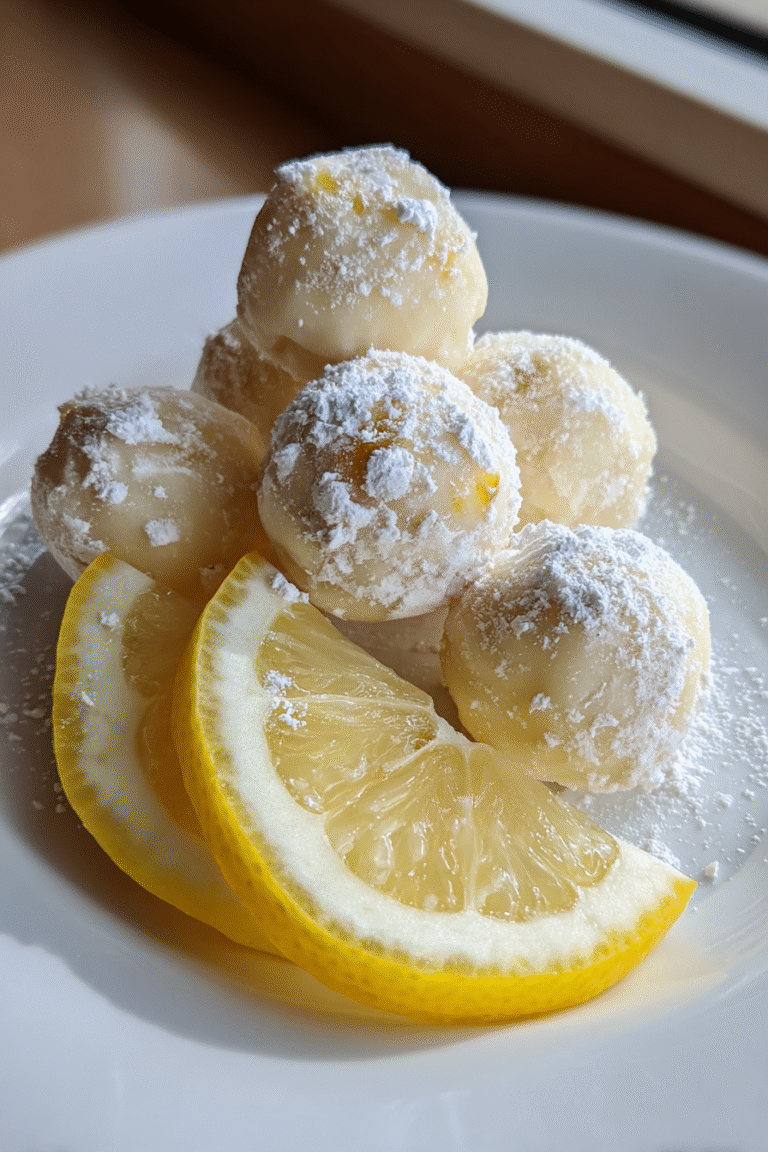
- Presentation matters! Dust your treats with powdered sugar or drizzle with chocolate for an elegant touch.
FAQs about Best Gluten Free Flour Blends
Can I use this blend for all types of baking?
Absolutely! The best gluten free flour blends are versatile and can be used for cakes, cookies, and even bread. Just remember to adjust your liquid ingredients as needed, since gluten-free flours can absorb moisture differently.
How do I store my gluten free flour blend?
Store your blend in an airtight container in a cool, dry place. This keeps it fresh and ready for your next baking adventure. I often label mine with the date to keep track of freshness!
Can I substitute this blend for regular flour in any recipe?
Yes, you can! Use it as a one-to-one substitute for all-purpose flour in most recipes. Just keep an eye on the texture and moisture, as gluten-free baking can sometimes require a little tweaking.
What if I don’t have xanthan gum?
If you’re out of xanthan gum, you can use guar gum as an alternative. It works similarly to provide structure in gluten-free baking. Just use the same amount as you would xanthan gum.
Can I make this blend ahead of time?
Definitely! In fact, making a batch ahead of time is a great idea. It saves you time during busy baking days. Just store it properly, and you’ll have it ready whenever the baking mood strikes!
Final Thoughts
Creating the best gluten free flour blends has truly transformed my baking experience. It’s not just about the delicious treats; it’s about bringing everyone together around the table, regardless of dietary restrictions. I love knowing that I can whip up something special in just minutes, making my family feel included and cherished. Each bite is a reminder that baking can be both simple and satisfying. So, roll up your sleeves, grab those ingredients, and let the joy of gluten-free baking fill your kitchen with warmth and love. Happy baking, my friends!
PrintBest gluten free flour blends to enhance your baking!

A guide to the best gluten free flour blends that can enhance your baking experience.
- Prep Time: 10 minutes
- Cook Time: N/A
- Total Time: 10 minutes
- Yield: Approximately 2 cups
- Category: Baking
- Method: Mixing
- Cuisine: Gluten Free
- Diet: Gluten Free
Ingredients
- Brown rice flour – 1 cup
- White rice flour – 1 cup
- Tapioca flour – 1/2 cup
- Potato starch – 1/2 cup
- Xanthan gum – 1 tsp
Instructions
- Combine all the flours in a large mixing bowl.
- Add xanthan gum and mix well.
- Store the blend in an airtight container.
- Use as a substitute for all-purpose flour in your favorite recipes.
Notes
- Make sure to measure the flours accurately for best results.
- This blend works well for cakes, cookies, and bread.
- Experiment with different ratios to find your preferred texture.
Nutrition
- Serving Size: 1/4 cup
- Calories: 120
- Sugar: 0g
- Sodium: 0mg
- Fat: 1g
- Saturated Fat: 0g
- Unsaturated Fat: 1g
- Trans Fat: 0g
- Carbohydrates: 26g
- Fiber: 2g
- Protein: 2g
- Cholesterol: 0mg