Creamy Sunflower Seed Pesto Pasta in Just 20 Minutes
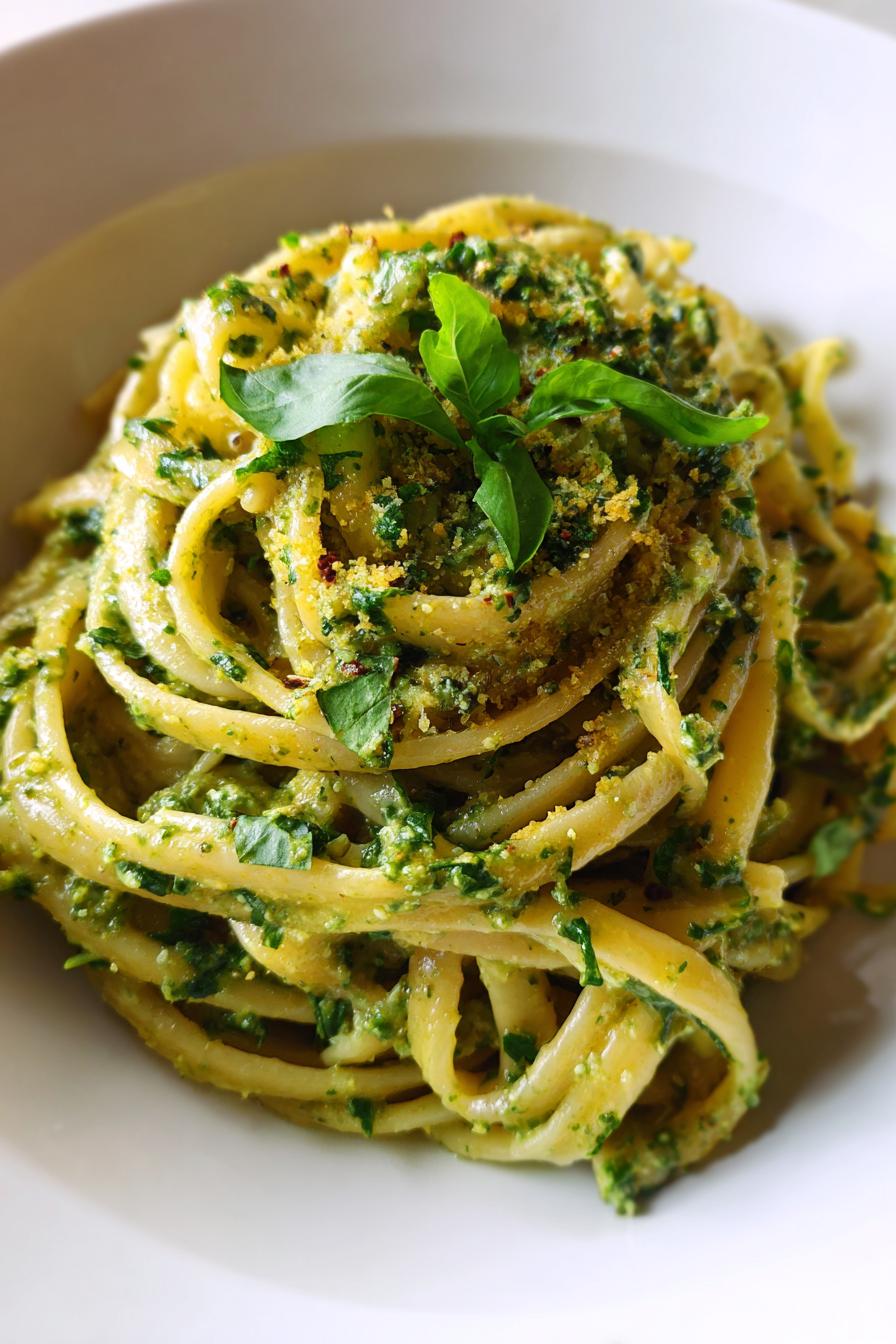
Ever find yourself staring into the pantry at 6 p.m., desperate for something quick, healthy, and *actually* delicious? That’s how my sunflower seed pesto pasta obsession began. I was out of pine nuts (as usual) but spotted a bag of raw sunflower seeds—and wow, did they save dinner. This creamy sunflower seed pesto pasta whips up faster than takeout and tastes like sunshine in a bowl. The seeds add this rich, nutty depth that makes you forget traditional pesto ever existed. Plus, it’s packed with fresh basil and garlic, so every bite feels like a little victory. Trust me, once you try it, you’ll keep those sunflower seeds stocked just for this.
Why You’ll Love This Creamy Sunflower Seed Pesto Pasta
This isn’t just another pasta dish—it’s your new weeknight superhero. Here’s why:
- Crazy quick: From fridge to fork in 20 minutes flat (yes, I timed it while chasing my toddler).
- Nutrient-packed: Sunflower seeds bring protein and vitamin E, while basil floods your system with freshness.
- Budget-friendly: Those seeds cost a fraction of pine nuts but taste just as luxurious.
- Shape-shifter: Toss it with spaghetti, swirl into risotto, or use as a veggie dip—it never says no.
Oh, and did I mention it makes leftovers taste even better? Magic.
Ingredients for Creamy Sunflower Seed Pesto Pasta
Here’s everything you’ll need to make this ridiculously easy pesto pasta—I promise, it’s probably already in your kitchen:
- 2 cups packed fresh basil leaves (stems are fine—no need to be precious about it)
- ½ cup raw sunflower seeds (the untoasted kind—they blend creamier)
- ¼ cup good olive oil (the fruity kind you’d drizzle on bread)
- 2 garlic cloves (or 3 if you’re feeling brave)
- ¼ cup grated Parmesan (optional but oh-so-worth-it)
- ½ tsp salt (start here—you can always add more)
- ¼ tsp black pepper (fresh cracks make all the difference)
- ¼ cup water (just enough to get things moving)
- 12 oz pasta (any shape—I’m partial to fusilli’s pesto pockets)
That’s it! No obscure ingredients, no last-minute grocery runs. Just simple, bright flavors ready to transform your weeknight.
Equipment You’ll Need
Grab these trusty tools—you likely have them already:
- Food processor (or a blender in a pinch—just scrape the sides often)
- Large pot for boiling pasta (the wider, the better to prevent sticky clumps)
- Colander (to drain that pasta like a pro)
- Rubber spatula (for scraping every last bit of pesto goodness)
See? Nothing fancy—just the usual suspects from your kitchen arsenal.
How to Make Creamy Sunflower Seed Pesto Pasta
This is where the magic happens—three simple steps to pesto perfection. I swear, it’s easier than remembering to water your basil plant (which I never do, but that’s another story).
Cook the Pasta
First, get that pasta water boiling like your life depends on it—because honestly, when you’re this hungry, it kinda does. Salt it generously (about 1 tablespoon per quart—it should taste like the sea). Toss in your noodles and cook until just al dente, usually 1 minute less than the package says. Trust me, nobody wants mushy pasta swimming in pesto.
Blend the Pesto
While the pasta cooks, let’s make that vibrant green magic. Dump the basil, sunflower seeds, garlic, Parmesan (if using), salt, and pepper into your food processor. Pulse a few times until it looks like confetti. Now, with the motor running, drizzle in the olive oil like you’re making a salad dressing. Stop to scrape down the sides—those stubborn bits need love too! Add water a tablespoon at a time until it’s smooth but still thick enough to coat a spoon.
Combine and Serve
Drain your pasta, but save about ½ cup of that starchy water—it’s liquid gold for loosening the pesto later. Toss the hot noodles with your freshly made pesto in the pot (off the heat), adding splashes of reserved water until it clings perfectly. Serve immediately with an extra sprinkle of sunflower seeds on top—because we eat with our eyes first, and crunch never hurt anybody.
Tips for Perfect Creamy Sunflower Seed Pesto Pasta
Want to take your pesto game from good to “can I lick the bowl?” levels? These little tricks make all the difference:
- Toast those seeds: A quick 3-minute toast in a dry pan deepens the nutty flavor—just let them cool before blending so they don’t steam your basil.
- Thickness is key: Too thick? More water. Too runny? Extra seeds or Parmesan. I like mine just thick enough to cling to noodles without dripping.
- Store smart: Keep leftover pesto in a jar with a slick of oil on top—it stays vibrant green for days. Never mix with pasta until you’re ready to eat!
See? Pro status unlocked with zero extra effort.
Variations for Your Creamy Sunflower Seed Pesto Pasta
Listen, rules were made to be broken—especially in the kitchen! Here are my favorite ways to riff on this recipe when I’m feeling adventurous (or just cleaning out the fridge):
- Greens swap: No basil? No problem. Baby spinach, arugula, or even kale work beautifully—just add an extra garlic clove to balance the earthiness.
- Cheese-free magic: Skip the Parmesan and toss in 2 tablespoons of nutritional yeast instead. It gives that same umami kick my vegan friends rave about.
- Citrus twist: A squeeze of lemon zest or juice brightens everything up when the basil tastes a little tired.
The best part? Every version still tastes like comfort in a bowl.
Serving Suggestions
This pesto pasta plays well with others! I love it with grilled chicken for protein, or roasted cherry tomatoes that burst with sweetness. For crunch? Toss in some toasted pine nuts—because yes, I do keep both seeds and nuts in my pantry. Crazy, I know.
Storage and Reheating
Pop leftovers in an airtight container—they’ll keep happily in the fridge for up to 3 days. When reheating, add a splash of water or olive oil to bring back that creamy texture. (Pro tip: Cold pesto pasta straight from the fridge makes an *amazing* impromptu pasta salad—just ask my lunchbox.)
Nutritional Information
Here’s the scoop on what’s in each creamy, dreamy serving (and yes, these are estimates—your sunflower seeds might be slightly more generous than mine!): About 380 calories, 10g protein, and a happy dose of vitamin E from those glorious seeds. Not too shabby for something that tastes this indulgent, right?
Common Questions About Creamy Sunflower Seed Pesto Pasta
Got questions? I’ve got answers! Here are the ones I hear most often from friends who’ve fallen for this recipe:
- Can I make it nut-free? You’re already golden! Sunflower seeds are naturally nut-free (though check labels if allergies are severe). For extra safety, swap Parmesan for nutritional yeast.
- How long does the pesto last? Stored in a jar with a slick of oil on top, it stays vibrant for 5 days in the fridge. The pasta itself? Best within 3 days.
- Why does my reheated pasta dry out? Always save that starchy pasta water! A tablespoon or two when reheating brings back the creamy magic.
See? Nothing to stress about—just more reasons to make another batch!
PrintCreamy Sunflower Seed Pesto Pasta in Just 20 Minutes
A creamy and nutty pesto pasta made with sunflower seeds, perfect for a quick and healthy meal.
- Prep Time: 10 minutes
- Cook Time: 10 minutes
- Total Time: 20 minutes
- Yield: 4 servings 1x
- Category: Main Dish
- Method: Stovetop
- Cuisine: Italian
- Diet: Vegetarian
Ingredients
- 2 cups fresh basil leaves
- 1/2 cup sunflower seeds
- 1/4 cup olive oil
- 2 cloves garlic
- 1/4 cup grated Parmesan cheese (optional)
- 1/2 teaspoon salt
- 1/4 teaspoon black pepper
- 1/4 cup water (as needed for consistency)
- 12 oz pasta of your choice
Instructions
- Cook pasta according to package instructions. Drain and set aside.
- In a food processor, combine basil, sunflower seeds, olive oil, garlic, Parmesan (if using), salt, and pepper.
- Blend until smooth, adding water as needed to reach a creamy consistency.
- Toss the pesto with the cooked pasta until well coated.
- Serve immediately or store in an airtight container.
Notes
- Use raw sunflower seeds for the best flavor.
- Add a splash of lemon juice for extra freshness.
- Store leftovers in the fridge for up to 3 days.
Nutrition
- Serving Size: 1 serving
- Calories: 380
- Sugar: 2g
- Sodium: 300mg
- Fat: 18g
- Saturated Fat: 3g
- Unsaturated Fat: 14g
- Trans Fat: 0g
- Carbohydrates: 45g
- Fiber: 4g
- Protein: 10g
- Cholesterol: 5mg