Magical Honey Lavender Macarons You Can’t Resist Baking
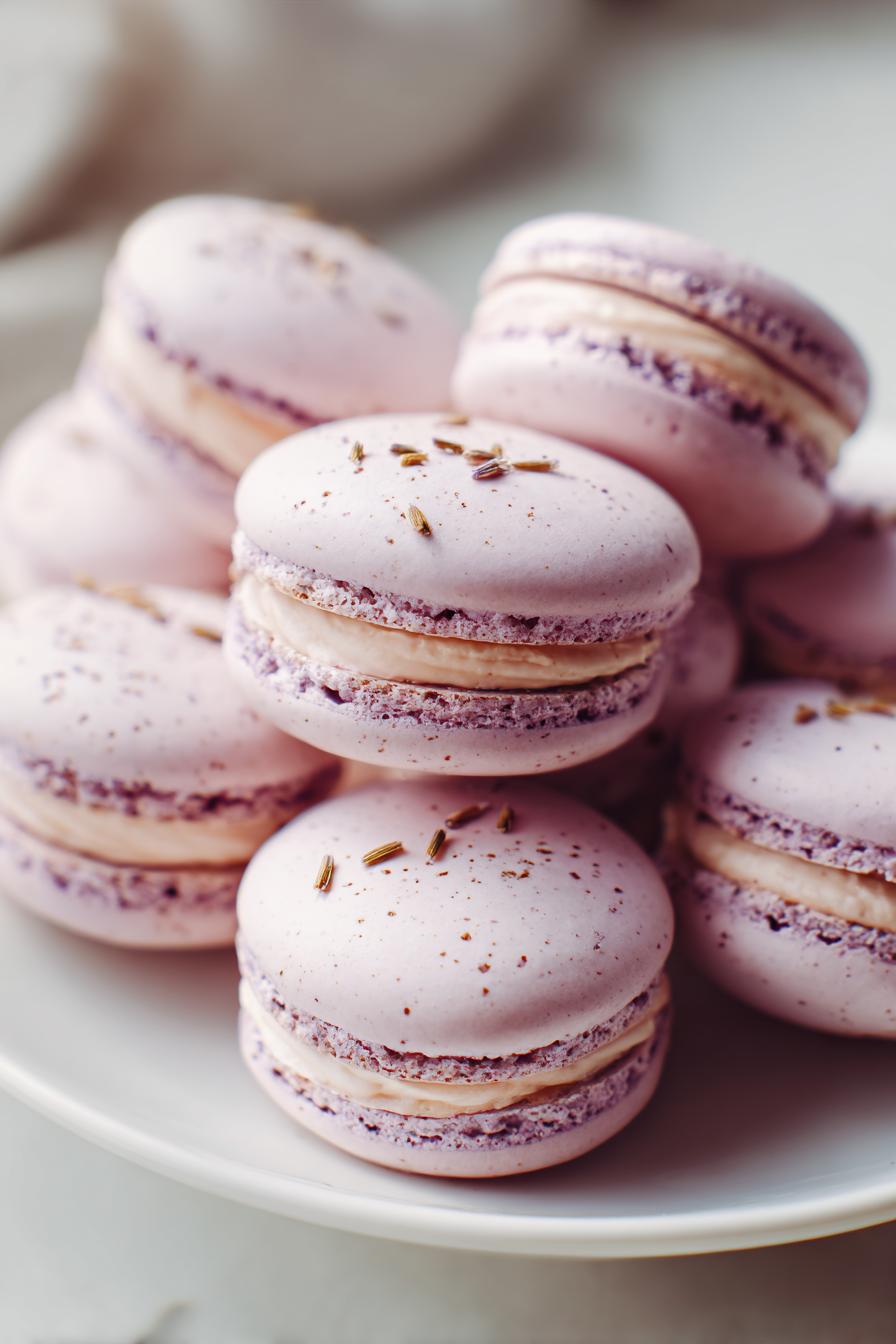
Let me tell you about the first time I fell head over heels for honey lavender macarons. I was in a tiny Parisian patisserie, completely mesmerized by rows of pastel-colored cookies that looked too perfect to eat. Then I took one bite – that crisp shell giving way to a chewy center, the floral lavender dancing with sweet honey – and I was a goner. Back home, I must’ve burned through a dozen batches trying to recreate that magic in my own kitchen (let’s just say my trash can saw some… interesting early attempts).
Now these honey lavender macarons are my go-to when I want to impress. They’ve got that fancy French bakery vibe, but with a homey twist thanks to the warm honey and soothing lavender. The secret? It’s all about that perfect balance – too much lavender and it’s like eating soap, too little and you miss that gorgeous floral note. When you get it right though? Absolute perfection. That moment when you bite into one and get that signature “macaron feet” texture with just a whisper of Provence in every bite? That’s what keeps me coming back to this recipe again and again.
Why You’ll Love These Honey Lavender Macarons
Let me count the ways these delicate little cookies will steal your heart (and probably everyone else’s at your next gathering):
- That magical crisp-chewy texture – The first bite through the glossy shell into the soft interior is pure bliss. When you nail the technique (and trust me, we’ll get you there), you’ll get those perfect little “feet” that make these look straight from a Parisian bakery.
- A flavor that’s fancy but familiar – The honey adds just the right warmth to balance the lavender’s floral notes. It’s elegant enough for a bridal shower but comforting enough for your afternoon tea. (Just don’t tell my neighbors how many I’ve eaten in one sitting.)
- Total crowd-pleasers with minimal effort – These look like you spent all day in the kitchen, but the batter comes together in about 20 minutes. The hardest part is waiting for them to rest before baking!
- Customizable to your taste Love more lavender? Add an extra pinch. Want them extra sweet? Drizzle with honey. The basic recipe is foolproof, but leaves room for your personal touch.
Ingredients for Honey Lavender Macarons
Alright, let’s gather our weapons for macaron perfection! Here’s exactly what you’ll need – and trust me, the little details here make all the difference between “meh” and “magnifique”:
- 1 ¾ cups powdered sugar – Sifted, always sifted. Those little lumps are sneaky texture-wreckers.
- 1 cup almond flour – Same deal – sift it with the sugar. And make sure it’s fine almond flour, not almond meal (learned that the hard way).
- 3 large egg whites, room temperature – This isn’t just chef nonsense – cold egg whites won’t whip up properly. I leave mine out for at least an hour, or if I forget (which is often), I pop them in a bowl of warm water for 5 minutes.
- ¼ cup granulated sugar – Regular white sugar is perfect here – we’re not getting fancy with this one.
- 1 tbsp honey – Use the good stuff! That squeeze bottle of “honey-flavored syrup” won’t give you the same depth of flavor.
- ½ tsp dried culinary lavender – Key word: culinary. The decorative stuff from craft stores can have pesticides. I get mine from the spice aisle or a reputable tea shop. And yes, measure carefully – too much and you’ll feel like you’re eating perfume.
- 1-2 drops purple food coloring (optional) – Gel works better than liquid to avoid thinning the batter. I like a soft lilac hue, but they’re gorgeous plain too!
Pro tip from my many (many) failed batches: Wipe your mixing bowl and beaters with vinegar or lemon juice before whipping the egg whites. Any trace of grease can sabotage your meringue. Now grab your apron – let’s make some magic!
How to Make Honey Lavender Macarons
Okay friends, time to roll up our sleeves and make some magic happen! I’ll walk you through each step – and don’t worry, I’ve made every mistake in the book so you don’t have to. Just follow along and you’ll be pulling perfect little lavender-scented clouds from your oven in no time.
Preparing the Macaron Batter
First things first – sift, sift, sift! Combine your powdered sugar and almond flour in a bowl, then sift them together at least twice. I know it seems fussy, but those tiny lumps will sabotage your smooth shells. (I may or may not have cried over lumpy macarons once. Moving on.)
Now for the egg whites – beat them on medium until frothy, then gradually add the granulated sugar. Here’s where patience pays off: keep beating until you get stiff peaks that stand straight up when you lift the beater. The meringue should be glossy and hold its shape. Too soft and your macarons won’t rise properly; overbeat and they’ll be dry.
Gently fold in the honey and lavender – I use a spatula and make wide, sweeping motions. Then add half the dry ingredients, folding until just combined before adding the rest. The batter should flow like “lava” – thick but slowly spreading. Test it: if you make a figure 8 with the batter, the ribbon should hold for a few seconds before disappearing. Overmixed batter is the #1 cause of flat macarons, so when in doubt, stop mixing!
Piping and Resting
Transfer your batter to a piping bag fitted with a round tip (about 1/2 inch works great). Pipe 1-inch circles onto parchment-lined baking sheets, holding the bag straight up about 1/2 inch above the sheet. A little twist as you finish helps prevent peaks. They’ll spread slightly, so leave about an inch between them.
Here’s the hard part – walk away! Let them sit for 30-45 minutes until the tops are completely dry and matte. You should be able to lightly touch the surface without anything sticking to your finger. This “skin” is what creates those gorgeous feet during baking. If you skip this step, say hello to cracked tops (I’ve got the Instagram fails to prove it).
Baking and Cooling
Preheat your oven to 300°F with a rack in the center position. Bake one sheet at a time for 15-18 minutes. You’ll know they’re done when they barely wiggle if you nudge them. Don’t be tempted to open the oven early – the sudden temperature change can make them collapse.
Let them cool completely on the baking sheet before trying to remove them – about 15 minutes. Trying to pry them off early is a one-way ticket to Broken Macaron City (population: me, last Christmas). Once cooled, they should release easily from the parchment. If they stick, try sliding a thin spatula underneath while holding your breath (the holding breath part is scientifically proven to help. Maybe.)
Tips for Perfect Honey Lavender Macarons
After more failed batches than I’d care to admit (let’s just say my dog became very interested in my baking experiments), I’ve learned a few tricks that make all the difference between macaron magic and macaron misery. Here are my hard-won secrets:
Grease is the enemy
I can’t stress this enough – everything must be spotless. Wipe down your mixing bowl, beaters, and spatula with lemon juice or vinegar before starting. Even a tiny bit of grease can prevent your egg whites from reaching those glorious stiff peaks. (Pro tip: Plastic bowls hold onto grease more than metal or glass – I learned that the hard way!)
Measure that lavender like gold dust
Too little and you’ll miss the floral notes; too much and you’ll feel like you’re eating soap. ½ teaspoon is the sweet spot – I use measuring spoons, not eyeballing it. And always rub the lavender between your fingers before adding it to release those gorgeous oils. If you’re nervous, start with ¼ teaspoon and add more next batch.
The hollow shell solution
Nothing’s sadder than biting into a beautiful macaron only to find a hollow cavern inside. Two fixes: 1) Make sure your oven isn’t too hot – an oven thermometer is your best friend here. 2) Don’t under-mix your batter after adding the dry ingredients. That “lava flow” consistency is key – when you pipe it, any peaks should settle within 20 seconds.
Resting time is non-negotiable
I know it’s tempting to rush this step, but let those piped circles sit until completely dry. No shortcuts! Humidity? Turn on your AC or wait longer. Rainy day? Maybe bake cookies instead. The skin formation is what creates those perfect “feet” – without it, you’ll get cracks or lopsided macarons.
Age your egg whites (the lazy way)
Some recipes insist on aging egg whites for days in the fridge. Here’s my cheat: use room temp eggs and add a tiny pinch of cream of tartar when beating them. It stabilizes the meringue just as well without the wait. (This saved me when surprise guests were coming and I hadn’t planned ahead!)
Remember – even imperfect macarons still taste amazing. My first “successful” batch looked like abstract art but disappeared instantly at book club. Now go forth and bake with confidence!
Honey Lavender Macarons Variations
Now that you’ve mastered the basic recipe, let’s play with some delicious twists! One of my favorite things about these macarons is how easily you can customize them to suit your mood or what’s in your pantry. Here are some of my go-to variations – tested and approved after many happy (and occasionally messy) kitchen experiments:
When you want to switch up the floral notes
Not feeling lavender? No problem! Try these easy swaps:
- Lemon zest instead of lavender – Use about 1 teaspoon of finely grated zest for a bright, citrusy twist. The honey and lemon combo is absolute sunshine in cookie form.
- Earl Grey tea – Crush 1 tea bag (about 1 teaspoon) and use in place of lavender for a sophisticated bergamot flavor that pairs beautifully with honey.
- Rosewater – Just ¼ teaspoon mixed into the meringue gives an elegant Middle Eastern flair. Add a tiny drop of pink coloring to complete the look.
Color play (because pretty food tastes better)
The purple hue is lovely, but don’t feel tied to it:
- Go au naturel – Skip the food coloring entirely for a rustic beige cookie that lets the flavor shine.
- Matcha macarons – Replace 1 tablespoon of powdered sugar with matcha powder for earthy green shells that look stunning with honey filling.
- Ombré effect – Divide the batter and tint in varying shades of purple before piping for a gradient look that’ll wow at parties.
For the honey lovers
Want to amp up the honey flavor? Try these tricks:
- Honey buttercream filling – Whip up a simple buttercream with honey instead of sugar for double the honey goodness.
- Drizzle magic – After baking, zigzag warm honey over the tops and sprinkle with edible gold flakes for serious dessert drama.
- Different honey varieties – Experiment with orange blossom, buckwheat, or wildflower honey – each brings its own personality to the party.
Remember, baking should be fun! My first variation attempt was supposed to be “lavender vanilla” but I accidentally used mint extract instead. Surprisingly delicious, though they did taste like fancy toothpaste. The beauty of macarons is that even the “mistakes” usually turn out tasty – so don’t be afraid to get creative!
Serving and Storing Honey Lavender Macarons
Okay, confession time – I’ve never actually managed to “store” a full batch of these macarons because they disappear too fast in my house! But for those of you with more self-control (or bigger batches), here’s how to keep them tasting fresh and fabulous:
The golden rule of macaron storage
Airtight is everything! These little guys are like sponges for humidity. I stash mine in a cookie tin with a tight lid or – my favorite trick – layer them between parchment in an airtight container with one of those silica packets you get in seaweed snack packages (totally food-safe, promise).
At room temperature, they’ll stay perfect for 2-3 days. Need longer? Pop them in the fridge for up to a week, but let them come to room temperature before serving – cold macarons lose that magical chewiness.
Freezing like a pro
Yes, you can freeze macarons! Here’s how I do it:
- Freeze them unfilled first on a baking sheet until solid (about 2 hours)
- Transfer to freezer bags with parchment between layers
- They’ll keep for up to 3 months this way
- Thaw at room temperature for an hour before filling and serving
I always keep a secret stash in my freezer for last-minute guests. Just don’t tell my husband where they are – he’ll stage a midnight raid!
Serving suggestions that wow
These beauties deserve a proper presentation:
- Serve at room temperature – That’s when the flavors really sing and the texture is just right.
- Pair with tea or champagne – Earl Grey or a floral herbal tea complements the lavender beautifully. For special occasions, nothing beats popping bubbly with these!
- Create a macaron tower – Stack them on a cake stand with some fresh lavender sprigs for instant bridal shower elegance.
- Gift them beautifully – Nestle them in a pretty box with tissue paper – I’ve won over many a mother-in-law this way!
One last tip from my catering days: If you’re serving these at a party, put out small batches at a time. They get sticky fast in humid weather, and nothing’s sadder than a gorgeous macaron turning into a puddle on your dessert table. Not that anyone in my family would complain – they’d just lick the plate!
Honey Lavender Macarons Nutritional Information
Now, let’s talk numbers – but remember, we’re baking with love here, not counting every calorie with a microscope! These figures are estimates based on my exact recipe, but your mileage may vary depending on your specific ingredients and whether you sneak an extra pinch of lavender (no judgment).
Per macaron (1 of 20):
- Calories: 80
- Total Fat: 3g (Saturated Fat: 0.3g)
- Cholesterol: 0mg
- Sodium: 10mg
- Total Carbohydrates: 12g
- Dietary Fiber: 0.5g
- Total Sugars: 8g
- Protein: 1.5g
A few important notes about these numbers:
- Using different honey varieties or brands of almond flour can shift the numbers slightly
- If you add filling (like that honey buttercream we talked about earlier), obviously those calories will add up
- This doesn’t account for the nutritional benefits of joy – and biting into one of these definitely delivers that!
Here’s my philosophy: Life’s too short not to enjoy beautiful treats made with real ingredients. One of these macarons satisfies my sweet tooth perfectly, and the lavender even has calming properties. Though fair warning – it’s physically impossible to eat just one. Science fact.
Frequently Asked Questions
Q1. Can I use fresh lavender instead of dried?
Technically yes, but I don’t recommend it! Fresh lavender contains more moisture and stronger oils that can make your macarons taste soapy. If you must use fresh, reduce the amount by half and make sure to finely chop it first. But honestly? Stick with culinary-grade dried lavender – it’s more consistent and easier to measure.
Q2. Why did my macarons crack?
Oh honey, welcome to the club! Cracking usually happens for three reasons: 1) You didn’t let them rest long enough before baking (that skin formation is crucial!), 2) Your oven temperature was too high (get an oven thermometer – they lie!), or 3) You opened the oven door too early. Next time, be patient and trust the process!
Q3. Can I freeze honey lavender macarons?
Absolutely! Freeze them unfilled first on a baking sheet until solid (about 2 hours), then transfer to freezer bags with parchment between layers. They’ll keep beautifully for up to 3 months. Thaw at room temperature for an hour before filling and serving. Pro tip: Hide them in the back of the freezer so your family doesn’t find them!
Q4. Why didn’t my macarons develop feet?
Those perfect little ruffles at the bottom? They’re tricky! Usually this means your batter was either undermixed (too thick) or overmixed (too runny). Aim for that “lava flow” consistency where the batter ribbons off your spatula slowly. Also make sure your oven isn’t too hot – feet form best around 300°F.
Q5. Can I make these without almond flour?
I wouldn’t recommend it – almond flour is what gives macarons their signature texture. That said, if you have a nut allergy, you can try sunflower seed flour (same measurements). Just know the color will be darker and the flavor slightly different. Test a small batch first!
Final Thoughts
Well my fellow macaron enthusiasts, we’ve come full circle – from that first magical bite in Paris to your very own kitchen adventures with honey lavender macarons! I hope you’re feeling inspired to whip up a batch of these delicate beauties. Remember – even if your first attempt isn’t bakery-perfect (mine certainly weren’t!), they’ll still taste absolutely divine.
I’d love to hear how your macarons turn out! Tag me on Instagram with your creations or leave a comment below telling me about your experience. Did you stick with classic lavender or try one of the fun variations? Any kitchen disasters that turned into happy accidents? Every baker’s journey is unique, and I cheer for every single attempt – lopsided feet and all!
One last thing before you go – if you loved this recipe as much as I do, pay it forward! Share it with a friend who needs a little baking therapy, or better yet, gift them a box of your homemade honey lavender macarons. There’s no better feeling than seeing someone’s eyes light up when they bite into one of these floral-scented clouds of joy.
Now go forth and macaron, my friends! May your shells be smooth, your feet be tall, and your lavender measurements be perfectly balanced. Until next time – happy baking!
PrintMagical Honey Lavender Macarons You Can’t Resist Baking

Delicate French macarons flavored with honey and lavender, with a crisp shell and chewy center.
- Prep Time: 45 minutes
- Cook Time: 18 minutes
- Total Time: 1 hour 3 minutes
- Yield: 20 macarons 1x
- Category: Dessert
- Method: Baking
- Cuisine: French
- Diet: Vegetarian
Ingredients
- 1 ¾ cups powdered sugar
- 1 cup almond flour
- 3 large egg whites, room temperature
- ¼ cup granulated sugar
- 1 tbsp honey
- ½ tsp dried culinary lavender
- 1–2 drops purple food coloring (optional)
Instructions
- Sift powdered sugar and almond flour together into a bowl.
- In a separate bowl, beat egg whites until frothy. Gradually add granulated sugar and continue beating until stiff peaks form.
- Fold in the honey and lavender into the egg whites.
- Gently fold the dry ingredients into the egg white mixture in two batches.
- Pipe 1-inch circles onto a baking sheet lined with parchment paper.
- Let the macarons rest for 30 minutes to form a skin.
- Bake at 300°F for 15-18 minutes.
- Cool completely before removing from the tray.
Notes
- Ensure all utensils are grease-free for best results.
- Letting the macarons rest before baking helps prevent cracking.
- Store in an airtight container for up to 3 days.
Nutrition
- Serving Size: 1 macaron
- Calories: 80
- Sugar: 8g
- Sodium: 10mg
- Fat: 3g
- Saturated Fat: 0.3g
- Unsaturated Fat: 2g
- Trans Fat: 0g
- Carbohydrates: 12g
- Fiber: 0.5g
- Protein: 1.5g
- Cholesterol: 0mg