5-Minute Mustard Herb Wine Marinade That Tastes Divine
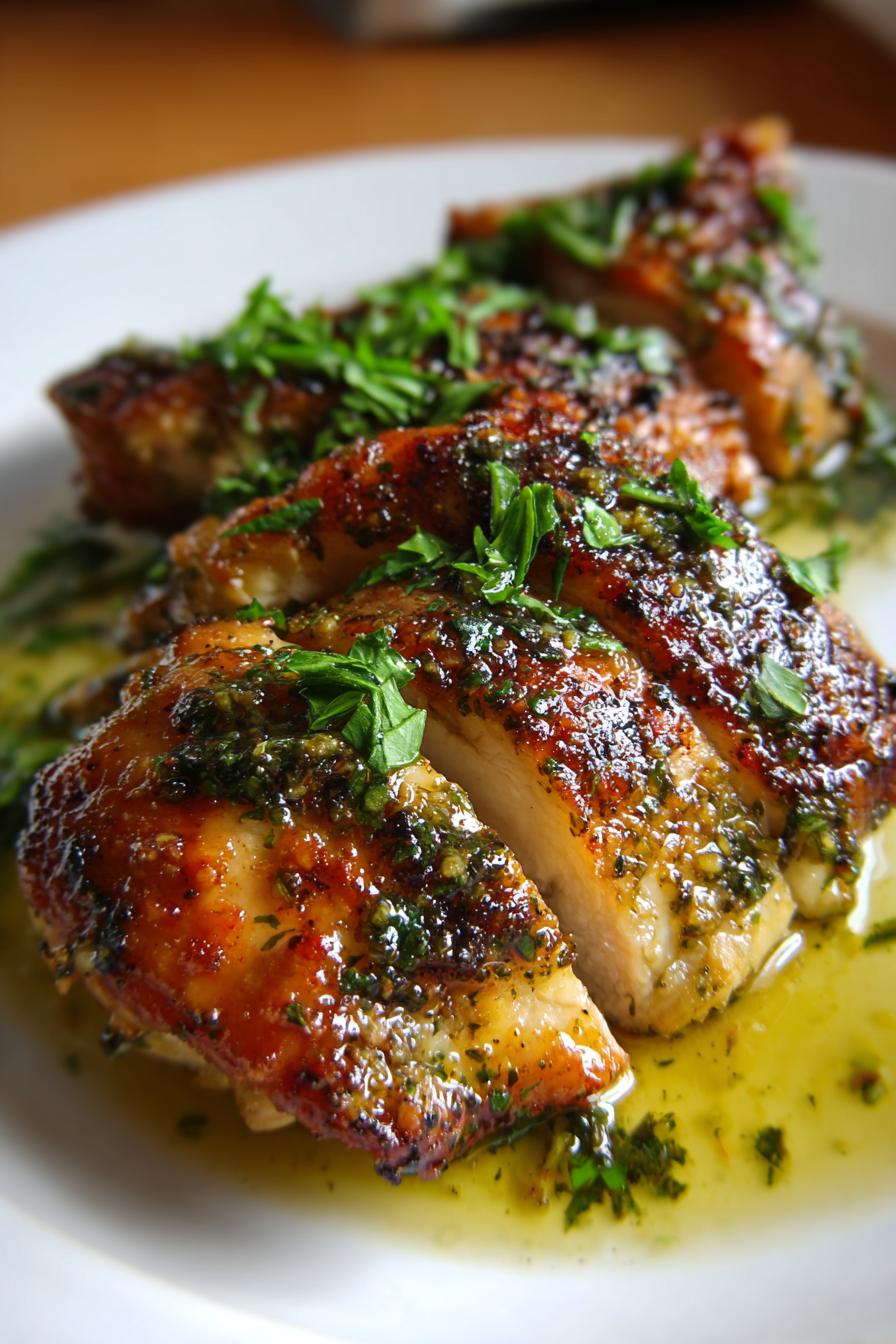
Oh my gosh, you have to try this mustard herb wine marinade – it’s my secret weapon for turning boring weeknight chicken into something fancy enough for company! I stumbled onto this combo years ago when I needed to jazz up some sad-looking pork chops, and wow, did it deliver. The Dijon gives that perfect tang, the wine adds depth, and those fresh herbs? Absolute magic. Last summer I marinated zucchini planks in this stuff before grilling, and my neighbors still ask for the recipe. It’s got that French bistro vibe without any fuss – just whisk, pour, and let the flavors work their overnight wonders.
Why You’ll Love This Mustard Herb Wine Marinade
This marinade is my go-to for so many reasons:
- 5-minute prep – just whisk and pour!
- Works magic on chicken, pork, even veggies
- That Dijon-wine-herb punch tastes like you slaved for hours
- No cooking needed – let the fridge do the work
- Smells like a Parisian kitchen when grilling
Trust me, once you try it, you’ll be sneaking it into everything!
Mustard Herb Wine Marinade Ingredients
Grab these simple ingredients – you probably have most in your kitchen already! The magic happens when they all come together:
- 1/4 cup Dijon mustard (that smooth, tangy base)
- 1/4 cup dry white wine – nothing fancy, just something drinkable
- 2 tablespoons olive oil – the good stuff you’d use for dressing salads
- 1 tablespoon each chopped fresh rosemary and thyme – measure after chopping, leaves only
- 2 cloves garlic, minced – and I mean really minced, no big chunks
- 1 teaspoon packed lemon zest – get every last bit of that yellow part
- 1/2 teaspoon black pepper – freshly cracked if you can
- 1/4 teaspoon salt – I use kosher, but any will do
Ingredient Notes & Substitutions
Don’t stress if you’re missing something – here’s how to improvise:
- Out of fresh herbs? Use 1 teaspoon each dried rosemary and thyme (crush them between your fingers first).
- No white wine? Red wine vinegar works in a pinch, or even chicken broth with a splash of lemon juice.
- Extra tangy mustard lovers – swap half the Dijon for whole grain mustard for texture.
- Gluten-free folks – check your mustard label (most Dijon is safe, but some brands add wheat).
- Too sharp for your taste? A teaspoon of honey balances it beautifully.
The beauty is in the flexibility – make it yours! (Though I do beg you – fresh herbs if you can. They make all the difference.)
How to Make Mustard Herb Wine Marinade
Okay, let’s get mixing! This is so simple you’ll laugh, but I’ll walk you through my foolproof method:
- Grab your biggest whisking bowl – trust me, you want space to really get in there without splashing.
- Whisk the Dijon and wine first until they’re completely smooth – no mustard lumps allowed!
- Stream in the olive oil while whisking like crazy – this helps it emulsify into that gorgeous, clingy consistency.
- Add everything else – herbs, garlic, zest, salt and pepper. Now whisk until it smells irresistible (about 30 seconds of vigorous stirring).
For marinating:
- Pat your protein or veggies dry first – moisture blocks the marinade from sticking properly.
- Use a resealable bag (or shallow dish) and coat everything evenly. Massage it in if no one’s watching!
- Refrigerate for at least 2 hours – overnight is my sweet spot for chicken and pork.
- Always discard used marinade – food safety first, friends! Never reuse what touched raw meat.
Marinating Tips for Best Results
A few pro tips from my many (many) batches:
- That 2-hour minimum matters – the wine needs time to tenderize and the flavors to penetrate.
- Flip the bag halfway through if marinating in a dish – ensures even coverage.
- Don’t go past 12 hours for meats – the acidity can make texture weird (veggies can go 24 hours though!).
- For bonus flavor, reserve some clean marinade before adding to meat for basting during cooking.
- Wipe off excess herbs before grilling – they burn easily and leave bitter notes.
See? Simple as can be, but these little tricks make all the difference between good and “OMG what did you put on this?!”
Ways to Use Mustard Herb Wine Marinade
This marinade is my kitchen MVP because it works with practically everything! Here’s how I use it most often:
- Chicken breasts – The Dijon and wine combo keeps them juicy while the herbs create this gorgeous golden crust. I do 6-8 hours for maximum flavor penetration.
- Pork chops – That rosemary-thyme duo cuts through the richness perfectly. Bonus: the mustard helps form the most beautiful caramelized edges when pan-seared.
- Roasted carrots – Toss them in the marinade before roasting – the wine reduces into this incredible glaze that makes even veggie-haters ask for seconds.
- Portobello mushrooms – Marinate for just 2 hours before grilling; the earthy mushrooms soak up all those bright flavors like little sponges.
My favorite unexpected use? Salmon fillets – but only marinate for 30 minutes max or the acid starts “cooking” the fish. The lemon zest in the marinade makes it taste like sunshine!
Storing Mustard Herb Wine Marinade
Here’s the scoop on keeping this golden elixir fresh – because let’s be honest, you’ll want to make extra! Any leftover marinade (that hasn’t touched raw meat) keeps beautifully in the fridge for up to 3 days in a tightly sealed jar. I always label mine with the date because garlic and herbs start losing their oomph after day two.
Freezing? Absolutely! Pour it into ice cube trays for single-use portions – perfect for when you just need enough for one chicken breast. Thaw overnight in the fridge before using. The texture might separate a bit after freezing, but a quick whisk brings it right back together.
Important safety note: Never, ever reuse marinade that’s been in contact with raw meat – no matter how much you want to drizzle it over cooked food. That’s how food poisoning happens, friends! If you want extra sauce, either set some aside before marinating or whip up a fresh batch. Your stomach will thank you.
Mustard Herb Wine Marinade Nutrition
Okay, let’s talk numbers – but remember, these are estimates since brands vary (and let’s be real, who measures marinade perfectly?). Here’s the breakdown per 1 tablespoon serving based on my most-used ingredients:
- 40 calories – mostly from that good olive oil
- 3g fat (0.5g saturated) – the healthy kind from olive oil
- 150mg sodium – mostly from the mustard, so adjust salt accordingly
- 1g carbs – practically negligible
- 0g sugar – unless you added that honey tweak I mentioned
- 0g protein – it’s all about flavoring your protein, not providing it
A quick heads-up: these values assume you’re using all the marinade, but realistically, some always stays in the bag or drips off during cooking. I don’t stress about marinade calories since so little actually sticks to the food – but if you’re tracking closely, maybe account for half the amount used.
The wine cooks off during grilling or roasting, leaving just the flavor behind (no alcohol content to worry about). And that garlic and rosemary? Pure health boosters if you ask me!
Mustard Herb Wine Marinade FAQs
I get asked these questions all the time – here’s the real deal from my trial-and-error experience:
Can I use dried herbs instead of fresh?
Absolutely! Use 1 teaspoon each of dried rosemary and thyme (that’s about 1/3 the fresh amount). Crush them between your fingers first to wake up the oils – it makes a world of difference. But honestly? Fresh is best if you can swing it.
Is this marinade gluten-free?
Mostly! Standard Dijon is usually safe, but some brands sneak in wheat flour – always check the label if you’re sensitive. All other ingredients are naturally gluten-free, so you’re good to go with the right mustard choice.
What if I don’t want to use wine?
No problem! Substitute with equal parts chicken broth plus 1 tablespoon lemon juice or apple cider vinegar. The flavor profile changes slightly, but you’ll still get that lovely acidic tenderizing effect.
How long is too long to marinate?
For chicken or pork, overnight is perfect (8-12 hours max) – any longer and the texture gets mushy from the wine’s acidity. Veggies can go 24 hours happily. Fish? Just 30-60 minutes unless you want ceviche!
Can I make this ahead and store it?
You bet! The clean marinade keeps beautifully in the fridge for 3 days (the garlic gets stronger over time – yum!). Freeze extras in ice cube trays for future quick meals. Just remember never to reuse marinade that’s touched raw meat.
Share Your Mustard Herb Wine Marinade Creations
Nothing makes me happier than seeing what you all create with this marinade! I still remember the first time a reader sent me a photo of her honey-glazed pork chops using this recipe – I nearly cried happy tears. Now I’ve got a whole folder of your kitchen masterpieces, from charred rainbow veggie skewers to golden-perfect chicken thighs.
Tag me @mustardobsessed when you post your marinated beauties – I repost my favorites every Friday (and yes, I obsessively zoom in on those grill marks!). Or drop a star rating below if you tried it – your notes about tweaks and pairings help other home cooks. Last month someone added orange zest to their batch, and now it’s my new obsession!
P.S. My DMs are always open for your “help, I messed up!” moments too. We’ve all been there – like that time I accidentally used red wine instead of white (turns out, delicious but VERY purple chicken). Happy marinating, friends!
Print5-Minute Mustard Herb Wine Marinade That Tastes Divine
A flavorful marinade combining mustard, herbs, and wine to enhance meats and vegetables.
- Prep Time: 10 minutes
- Cook Time: 0 minutes
- Total Time: 2 hours 10 minutes (including marinating)
- Yield: 1/2 cup 1x
- Category: Marinade
- Method: No-cook
- Cuisine: French
- Diet: Low Lactose
Ingredients
- 1/4 cup Dijon mustard
- 1/4 cup dry white wine
- 2 tablespoons olive oil
- 1 tablespoon chopped fresh rosemary
- 1 tablespoon chopped fresh thyme
- 2 cloves garlic, minced
- 1 teaspoon lemon zest
- 1/2 teaspoon black pepper
- 1/4 teaspoon salt
Instructions
- Combine all ingredients in a bowl.
- Whisk until well blended.
- Place meat or vegetables in a resealable bag.
- Pour marinade over and seal the bag.
- Refrigerate for at least 2 hours or overnight.
- Remove from marinade before cooking.
- Grill, roast, or pan-sear as desired.
Notes
- Works best with chicken, pork, or root vegetables.
- Marinate for at least 2 hours for deeper flavor.
- Discard used marinade to avoid contamination.
Nutrition
- Serving Size: 1 tablespoon
- Calories: 40
- Sugar: 0g
- Sodium: 150mg
- Fat: 3g
- Saturated Fat: 0.5g
- Unsaturated Fat: 2.5g
- Trans Fat: 0g
- Carbohydrates: 1g
- Fiber: 0g
- Protein: 0g
- Cholesterol: 0mg