Zero waste healthy meal prep made easy and delicious!
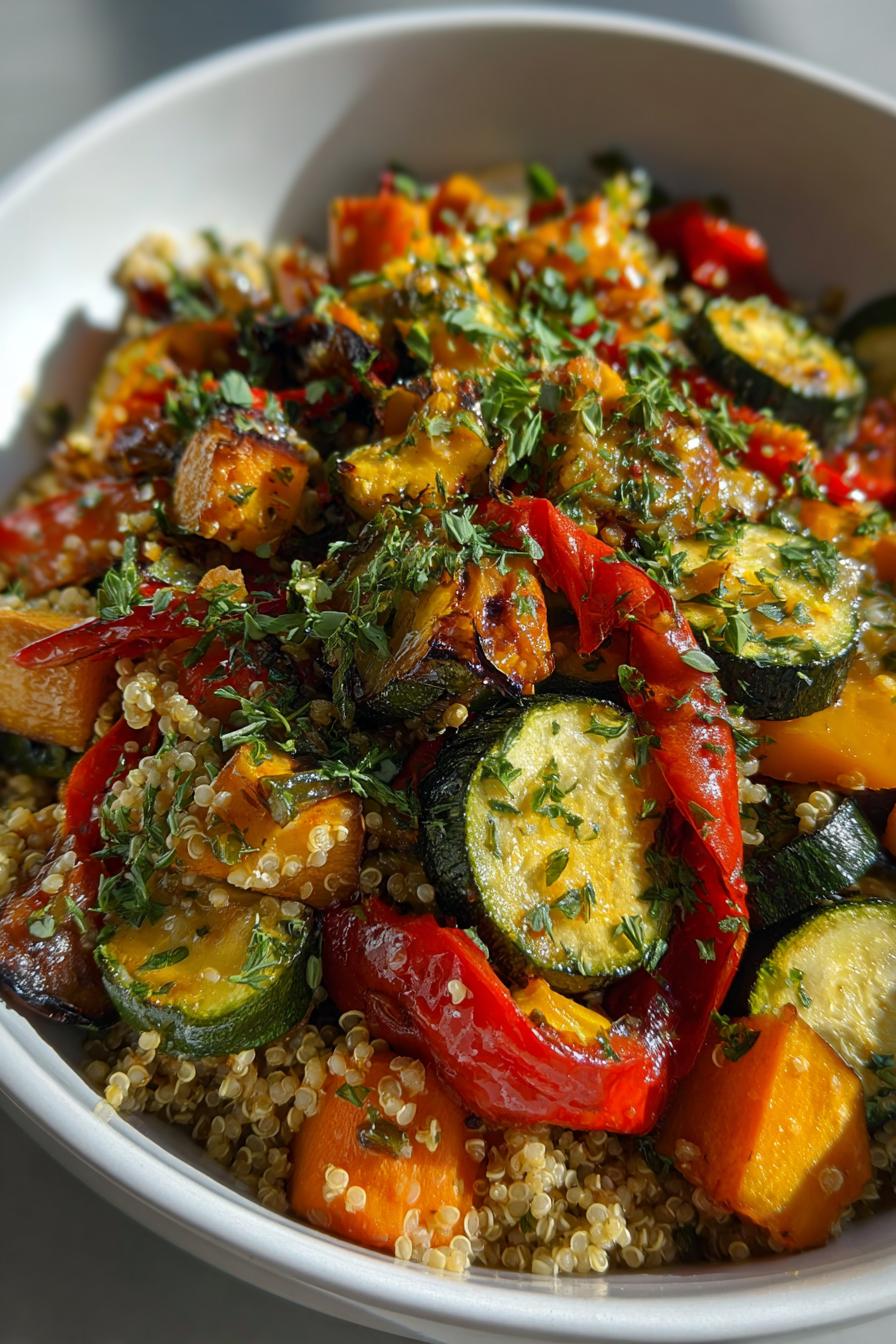
Introduction to Zero Waste Healthy Meal Prep
As a busy mom, I know how challenging it can be to juggle work, family, and meal prep. That’s why I’m excited to share my guide to zero waste healthy meal prep! This approach not only saves time but also helps you create delicious meals while being kind to our planet. Imagine whipping up a week’s worth of nutritious dishes in just a couple of hours, all while minimizing waste. It’s a win-win! Let’s dive into this simple yet effective way to nourish your family and impress your loved ones with your eco-friendly cooking skills.
Why You’ll Love This Zero Waste Healthy Meal Prep
This zero waste healthy meal prep is a game changer for busy lives. It’s quick, easy, and packed with flavor, making weeknight dinners a breeze. You’ll save time by cooking in bulk, and your family will love the variety of meals. Plus, you’ll feel great knowing you’re reducing waste and making eco-friendly choices. It’s a delicious way to nourish your loved ones while caring for our planet!
Ingredients for Zero Waste Healthy Meal Prep
Gathering the right ingredients is key to a successful zero waste healthy meal prep. Here’s what you’ll need:
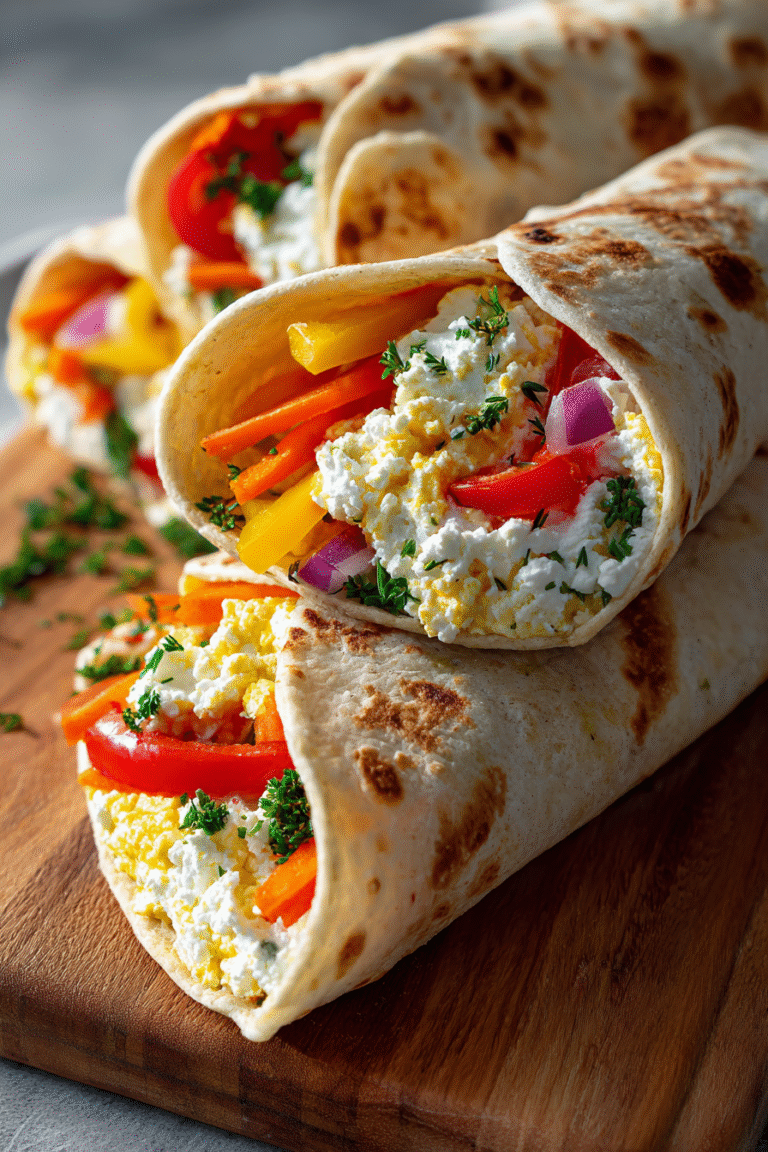
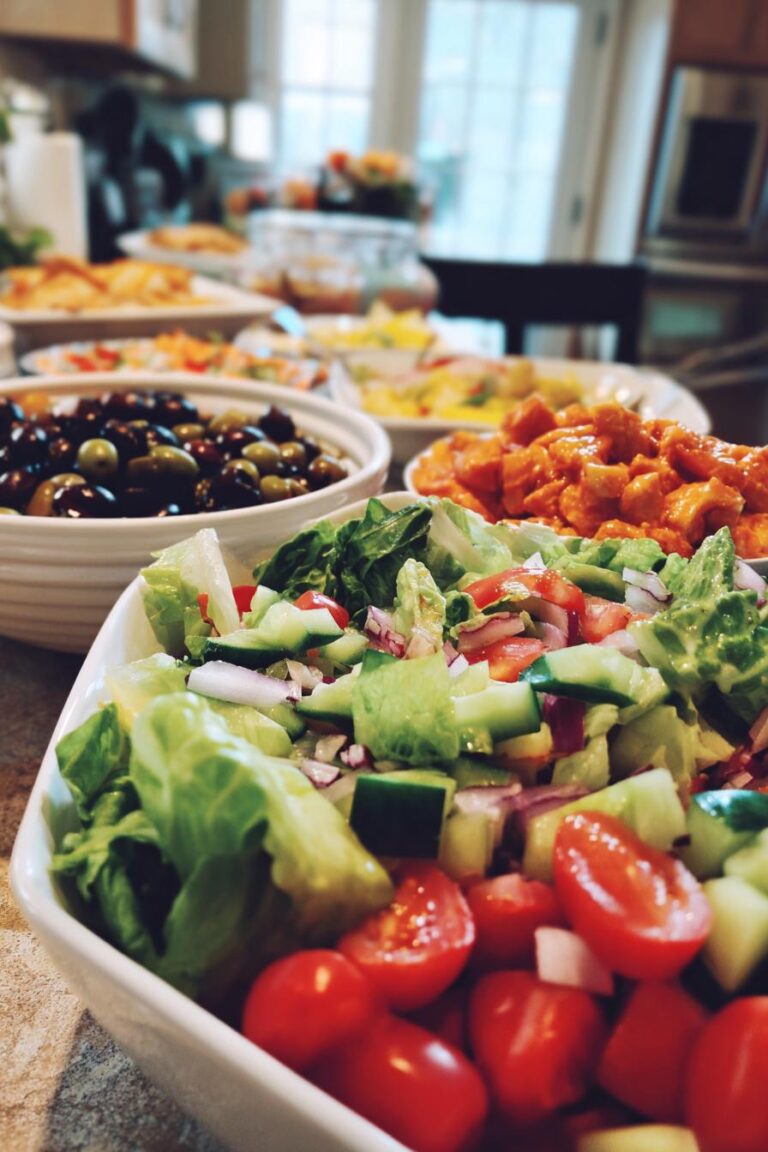
- Fresh vegetables: Think carrots, bell peppers, and broccoli. These vibrant veggies not only add color but also pack a nutritional punch. Use any leftover scraps for homemade broth or compost!
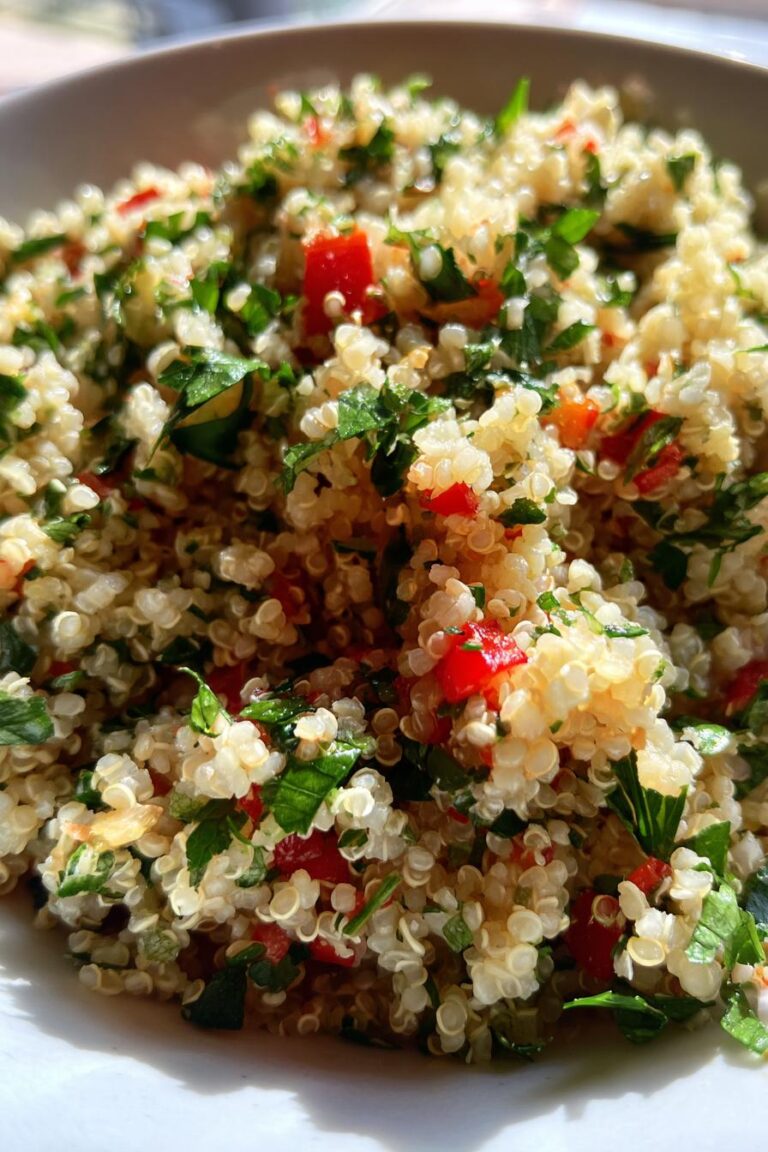
- Whole grains: Quinoa and brown rice are fantastic options. They’re filling and provide essential nutrients. Plus, they can be cooked in bulk and stored for later use.
- Legumes: Chickpeas and lentils are protein powerhouses. They’re versatile and can be added to salads, soups, or served as a side dish.
- Herbs and spices: Garlic, basil, and cumin can elevate your meals. Experiment with different combinations to keep things exciting and flavorful.
- Healthy fats: Olive oil and avocado are great choices. They add richness to your dishes while providing heart-healthy benefits.
- Protein sources: Choose from tofu, chicken, or eggs based on your dietary preferences. These options can be prepared in various ways to suit your taste.
For exact quantities, check the bottom of the article where you can find everything available for printing. Remember, using seasonal produce not only enhances flavor but also reduces waste. Happy prepping!
How to Make Zero Waste Healthy Meal Prep
Now that you have your ingredients ready, let’s dive into the steps for zero waste healthy meal prep. This process is not only efficient but also a fun way to get creative in the kitchen. Follow these simple steps to make meal prep a breeze!
Step 1: Gather Ingredients and Plan Meals
Before you start cooking, take a moment to plan your meals for the week. This step is crucial! It saves time and helps you avoid unnecessary waste. I like to jot down a quick menu on a notepad. This way, I know exactly what I need to prepare. Plus, having everything in one place makes the cooking process smoother. Trust me, a little planning goes a long way!
Step 2: Wash and Chop Vegetables
Next up, wash your fresh vegetables thoroughly. I usually fill a bowl with water and give them a good soak. After that, chop them into bite-sized pieces. Here’s a pro tip: save any vegetable scraps! You can use them to make a delicious broth or toss them in your compost bin. This not only minimizes waste but also adds flavor to your meals!
Step 3: Cook Grains and Legumes in Bulk
Now, let’s cook those grains and legumes! I recommend preparing them in bulk. For instance, cook a big pot of quinoa or brown rice, and a batch of chickpeas or lentils. This method saves time during the week and ensures you have nutritious options ready to go. Plus, it’s a fantastic way to stick to your zero waste healthy meal prep goals!
Step 4: Prepare Proteins
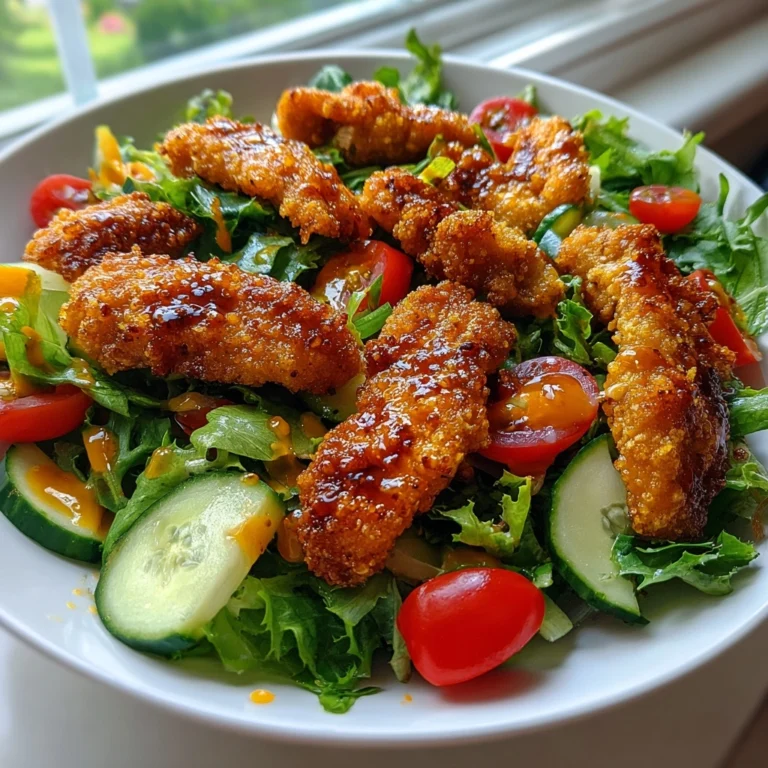
When it comes to proteins, you have options! You can bake, grill, or sauté your choice of tofu, chicken, or eggs. I often bake my chicken with a sprinkle of herbs for added flavor. Choose the method that works best for you and your schedule. Preparing proteins in advance makes it easy to mix and match with your grains and veggies throughout the week.
Step 5: Portion Meals into Reusable Containers
Once everything is cooked, it’s time to portion your meals into reusable containers. This step is essential for maintaining your zero waste philosophy. I love using glass containers because they’re durable and eco-friendly. Portioning meals helps you grab a healthy option on busy days, making it easier to stick to your meal plan!
Step 6: Store Meals for Later Use
Now that your meals are portioned, it’s time to store them. Place your containers in the fridge for meals you’ll eat within the week. For longer storage, pop them in the freezer. This way, you can enjoy your delicious creations later without worrying about spoilage. Just remember to let them cool before sealing!
Step 7: Label Containers
Finally, don’t forget to label your containers! Use a piece of tape or a marker to write the date on each one. This simple step helps you track freshness and avoid food waste. Plus, it’s a great reminder of what delicious meals you have waiting for you!
Tips for Success
- Prep your ingredients the night before to save time.
- Keep a list of your favorite zero waste recipes handy.
- Use a variety of herbs and spices to keep meals exciting.
- Involve your family in the meal prep process for fun bonding time.
- Don’t be afraid to experiment with new ingredients!
Equipment Needed for Zero Waste Healthy Meal Prep
- Cutting board: A sturdy wooden or bamboo board is eco-friendly and durable.
- Sharp knife: A good chef’s knife makes chopping veggies a breeze.
- Large pots: Use for cooking grains and legumes in bulk.
- Reusable containers: Glass or stainless steel options are perfect for storage.
- Measuring cups and spoons: Handy for precise ingredient portions.
Variations of Zero Waste Healthy Meal Prep
- Swap Grains: Try using farro or barley instead of quinoa or brown rice for a different texture and flavor.
- Change Up Proteins: Use tempeh or seitan for a plant-based twist, or opt for fish like salmon for a healthy omega-3 boost.
- Seasonal Vegetables: Incorporate seasonal veggies like zucchini in summer or root vegetables in winter for freshness and variety.
- Spice It Up: Experiment with different spice blends, such as curry powder or taco seasoning, to give your meals a unique flair.
- Vegan Options: Keep it entirely plant-based by using chickpea flour to make a savory pancake or frittata.
Serving Suggestions for Zero Waste Healthy Meal Prep
- Fresh Salad: Pair your meals with a crisp side salad topped with seasonal greens and a light vinaigrette.
- Herbal Tea: Enjoy a soothing cup of herbal tea to complement your meal and aid digestion.
- Colorful Plating: Use vibrant plates to make your meals visually appealing and appetizing.
- Garnish: Add fresh herbs or a squeeze of lemon for an extra burst of flavor.
- Whole Grain Bread: Serve with a slice of whole grain bread for a satisfying crunch.
FAQs about Zero Waste Healthy Meal Prep
What is zero waste healthy meal prep?
Zero waste healthy meal prep focuses on preparing nutritious meals while minimizing food waste. It involves using every part of your ingredients and storing meals in eco-friendly containers. This approach not only saves time but also promotes sustainable cooking practices.
How can I reduce food waste while meal prepping?
To reduce food waste, use vegetable scraps for homemade broth or compost. Plan your meals carefully to ensure you use all ingredients. Additionally, store leftovers in reusable containers and label them to keep track of freshness.
Can I meal prep for a family with different dietary needs?
Absolutely! Zero waste healthy meal prep is versatile. You can prepare a base of grains and proteins, then customize each meal with different vegetables and sauces. This way, everyone gets a meal they love while minimizing waste.
What are some easy zero waste meal prep recipes?
Some easy recipes include grain bowls with roasted vegetables, lentil soups, and stir-fries. These dishes are simple to prepare and can be customized with various ingredients, making them perfect for zero waste healthy meal prep.
How long do meal prepped foods last in the fridge?
Generally, meal prepped foods can last in the fridge for about 4-5 days. For longer storage, consider freezing meals. Just remember to let them cool before sealing to maintain freshness!
Final Thoughts
Embracing zero waste healthy meal prep has transformed my kitchen experience. It’s not just about saving time; it’s about creating delicious meals that nourish my family while caring for our planet. Each step, from planning to portioning, brings a sense of accomplishment and joy. I love knowing that I’m reducing waste and making eco-friendly choices. Plus, the smiles on my family’s faces when they enjoy these meals make it all worthwhile. So, roll up your sleeves, get creative, and let’s make meal prep a delightful adventure that benefits both our health and the environment!
PrintZero waste healthy meal prep made easy and delicious!
A guide to preparing healthy meals with zero waste, ensuring deliciousness while being environmentally friendly.
- Prep Time: 30 minutes
- Cook Time: 1 hour
- Total Time: 1 hour 30 minutes
- Yield: 5 meals
- Category: Meal Prep
- Method: Batch Cooking
- Cuisine: Various
- Diet: Vegan
Ingredients
- Fresh vegetables (e.g., carrots, bell peppers, broccoli)
- Whole grains (e.g., quinoa, brown rice)
- Legumes (e.g., chickpeas, lentils)
- Herbs and spices (e.g., garlic, basil, cumin)
- Healthy fats (e.g., olive oil, avocado)
- Protein sources (e.g., tofu, chicken, eggs)
Instructions
- Gather all ingredients and plan meals for the week.
- Wash and chop vegetables, using scraps for broth or compost.
- Cook grains and legumes in bulk to save time.
- Prepare proteins according to your preference (bake, grill, or sauté).
- Portion meals into reusable containers.
- Store meals in the fridge or freezer for later use.
- Label containers with dates to track freshness.
Notes
- Use seasonal produce to reduce waste and enhance flavor.
- Experiment with different herbs and spices for variety.
- Consider meal prepping on weekends for a stress-free week.
Nutrition
- Serving Size: 1 meal
- Calories: 400
- Sugar: 5g
- Sodium: 200mg
- Fat: 15g
- Saturated Fat: 2g
- Unsaturated Fat: 10g
- Trans Fat: 0g
- Carbohydrates: 60g
- Fiber: 15g
- Protein: 20g
- Cholesterol: 0mg